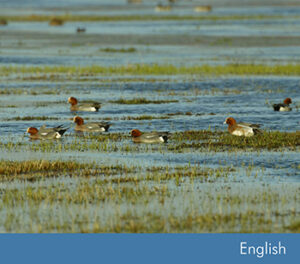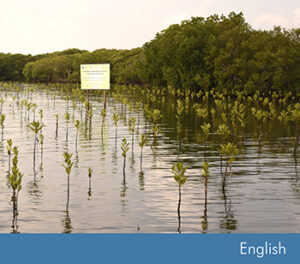
This infographic explores how nature-based solutions can help communities adapt to climate change. It highlights examples from freshwater, forest, marine and grassland ecosystems and the resilience benefits they provide.

This infographic explores how nature-based solutions can help communities adapt to climate change. It highlights examples from freshwater, forest, marine and grassland ecosystems and the resilience benefits they provide.
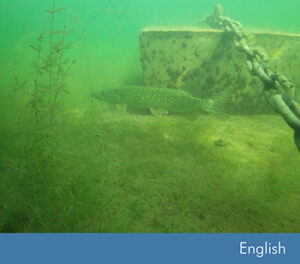
This report assesses the conservation status of freshwater fish species across Europe. It highlights the high number of threatened species and identifies major pressures such as pollution, habitat loss, water abstraction, invasive species and dam construction.

This briefing paper examines the benefits of restoring rivers and wetlands. It highlights how ecosystem restoration can improve water security, reduce flood risks, support biodiversity and strengthen climate resilience and local livelihoods.
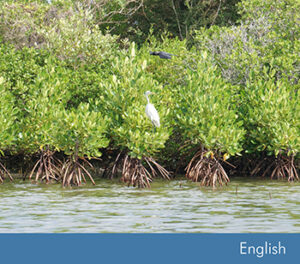
This policy brief explores the importance of mangroves for biodiversity, climate resilience and coastal protection. It highlights the Global Mangrove Watch as a tool for monitoring mangrove ecosystems and supporting conservation and restoration efforts worldwide.

This publication explores the collaboration between IUCN and the Ramsar Convention to promote the wise use of wetlands worldwide. It highlights practical actions, partnerships and financing mechanisms that support wetland protection and climate resilience.
This publication explores the causes and consequences of wetland degradation worldwide. It highlights international case studies and management approaches that can help restore and protect these critical ecosystems.
This global assessment explores the value of wetlands for water security, biodiversity and climate resilience. It highlights the costs of wetland loss and the actions and investments needed to secure their future.
This study quantifies the global economic value of coastal wetlands for storm protection. It highlights that wetlands provide $447 billion per year in avoided damages and save approximately 4,620 lives annually.
This study proposes a cost-effective model for identifying global wetland conservation priority areas. It highlights three protected area expansion scenarios to support post-2025 international wetland targets at global and national levels.