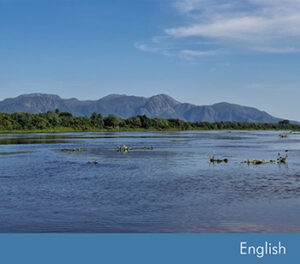
This annual review presents Wetlands International’s main achievements in 2025. It highlights wetland restoration, community-based conservation, policy advocacy and monitoring initiatives across rivers, lakes, mangroves and peatlands.

This annual review presents Wetlands International’s main achievements in 2025. It highlights wetland restoration, community-based conservation, policy advocacy and monitoring initiatives across rivers, lakes, mangroves and peatlands.
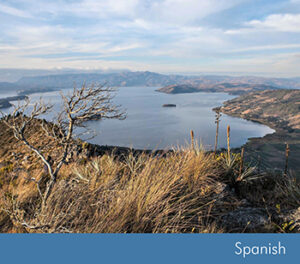
This report examines water management challenges in Latin America and the Caribbean. It highlights regional priorities related to water security, sanitation, disaster risk, cooperation and financing.
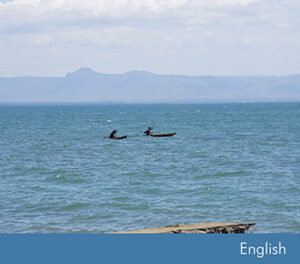
This guide explains how to identify and prioritise wetlands for Ramsar Site designation in the Indo-Burma region. It highlights a systematic approach based on available data, wetland inventories and Ramsar criteria.

This report examines the growing threats to mountain water resources and glaciers. It highlights their importance for water supply, food security, ecosystems and climate resilience worldwide.
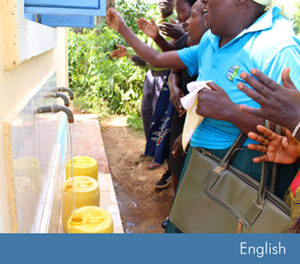
This report examines the links between water, prosperity and peace. It highlights how sustainable water management, cooperation and investment can support livelihoods, development and conflict prevention.
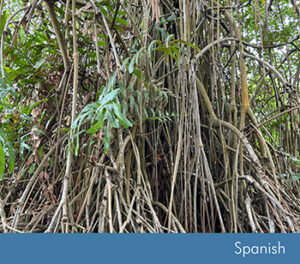
This infographic presents monitoring activities for mangroves in Mexico. It highlights the use of drones, satellite imagery and spatial models to assess restoration, blue carbon and coastal change.
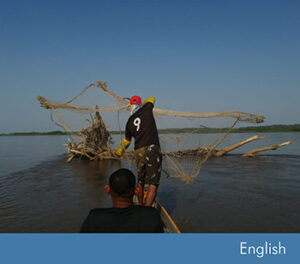
This review examines artificial intelligence applications in aquaculture. It highlights disease detection, feeding optimization, water-quality monitoring and the mapping of aquaculture areas.
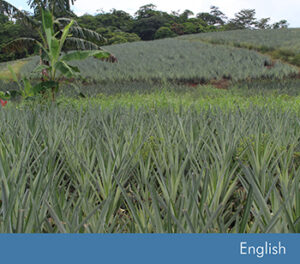
This review examines AI-driven irrigation systems for sustainable water management. It highlights their potential to reduce water use, improve crop yields and support climate-resilient agriculture.

This review explores the use of artificial intelligence in surface water management. It highlights streamflow forecasting, flood prediction, water-quality monitoring and infrastructure operations.
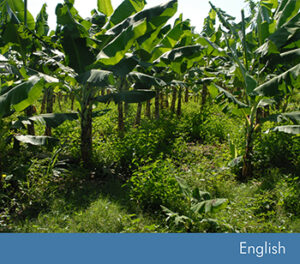
This study presents an AI model for predicting agricultural water demand using remote sensing data. It highlights how deep learning can improve irrigation planning and water-use efficiency.