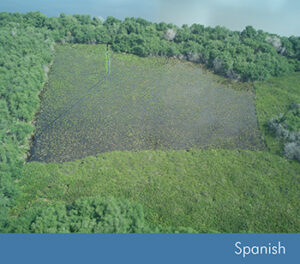
This guide presents spatial methods for monitoring mangrove restoration in Mexico. It highlights how maps, satellite imagery, vegetation indices and hydrodynamic data can support adaptive management.

This guide presents spatial methods for monitoring mangrove restoration in Mexico. It highlights how maps, satellite imagery, vegetation indices and hydrodynamic data can support adaptive management.
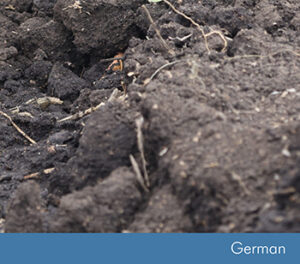
This position paper examines the role of soils in maintaining a balanced landscape water cycle. It recommends measures to retain water, restore rivers, floodplains and peatlands, and increase resilience to droughts and floods.
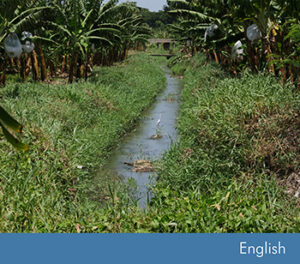
This technical report explores the relationship between agriculture and wetlands. It highlights global case studies and practical guidance for supporting food production while conserving and restoring wetland ecosystems.
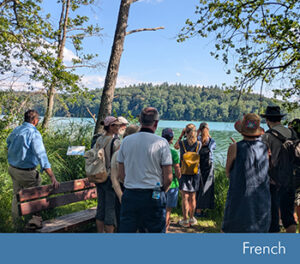
This bibliographic review explores tourism and recreational activities in wetlands. It highlights visitor management, sustainable tourism and conservation challenges across different wetland types.
This bibliographic bulletin compiles resources on wetland restoration and rehabilitation. It highlights practical guides, restoration programmes, scientific references and experiences from different wetland environments.
This document explores the relationship between wetlands, methane and climate change. It highlights why wetland conservation and restoration provide greater long-term climate benefits than keeping wetlands drained.
This flyer explains how paludiculture enables the sustainable use of rewetted peatlands. It highlights how wet agriculture can protect stored carbon while producing useful raw materials.
This activity booklet introduces students to wetlands and their role in climate regulation. It highlights classroom exercises on biodiversity, carbon storage, climate change and wetland conservation.
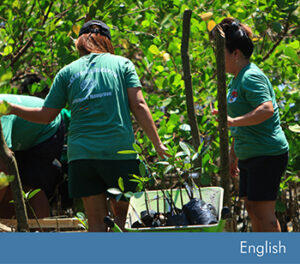
This guide explores how community savings and loans groups can support alternative livelihoods and reduce pressure on mangroves. It highlights experiences from Senegal and Guinea-Bissau, particularly among women-led groups.
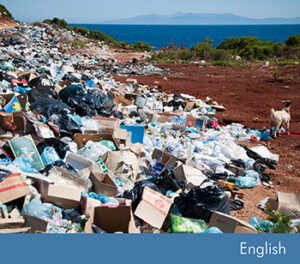
This vision statement explores the responsible use of alternative materials to reduce plastic pollution. It highlights waste reduction, reuse, responsible sourcing and life-cycle assessment as key principles for sustainable substitution.