The guide places it on the same level as leases, agreements or transfers of use, rather than as an isolated asset transaction.

The guide places it on the same level as leases, agreements or transfers of use, rather than as an isolated asset transaction.
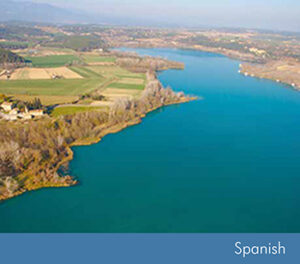
This publication examines the different types of wetlands found in Spain, how they function, their characteristics and vegetation, and the issues relating to the conservation, management and restoration of these excellent indicators of a region’s environmental quality.
The aim of this guide is to provide a comprehensive approach to the conservation and management of Mediterranean wetlands, incorporating climate-related perspectives into the management methods for these ecosystems.
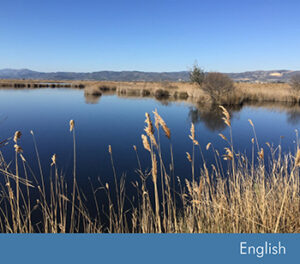
The project LIFE Wetlands4Climate has established management guidelines for Mediterranean wetlands with the aim to make them function as carbon sinks and contributors to greenhouse gases (GHG) emissions mitigation/compensation, while maintaining their ecological integrity, functionality, and providing the services of a healthy ecosystem.
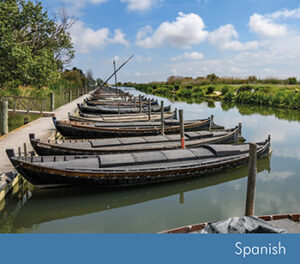
This document compiles and analyses information from official sources and public databases to provide an up-to-date overview of the distribution, conservation status and level of protection of wetlands.
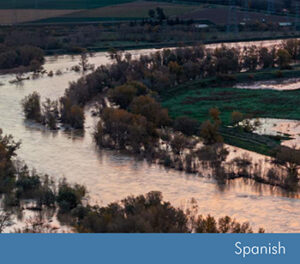
This document is intended to serve as a practical guide for restoration professionals, helping them to understand the new legislation and promoting effective and coordinated action.
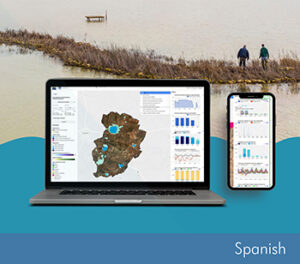
Using images from the Sentinel-2 satellites, part of the European Copernicus programme, it has been measuring, on a monthly basis since 2017, the water surface area and vegetation, amongst
other parameters.
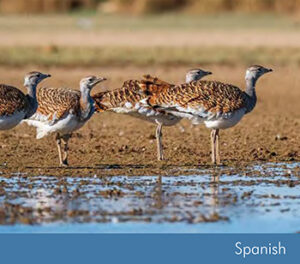
This collection of fact sheets brings together ten examples representative of Fundación Global Nature’s work in coastal and inland wetlands, steppe lagoons, dehesas and paramera landscapes, spread across Spain and united by a common vision. Active, planned management tailored to each specific site is the most effective tool for restoring ecosystems and maintaining their long-term ecological functionality.
This document proposes an adaptive model for valuing ecosystem services in Mediterranean wetlands, based on the premise that not all wetlands provide the same ecosystem services, nor do all services exhibit the same degree of technical maturity, verifiability or funding potential.
This document advocates for the promotion of specific funding mechanisms for wetland restoration, as well as their effective integration as a climate solution within voluntary carbon markets.