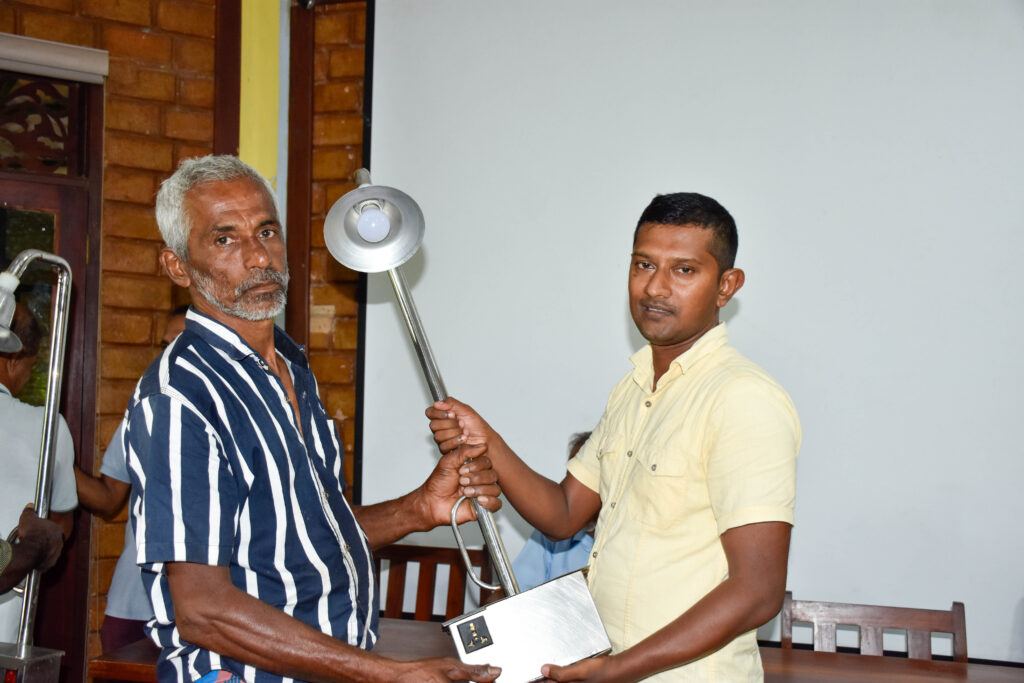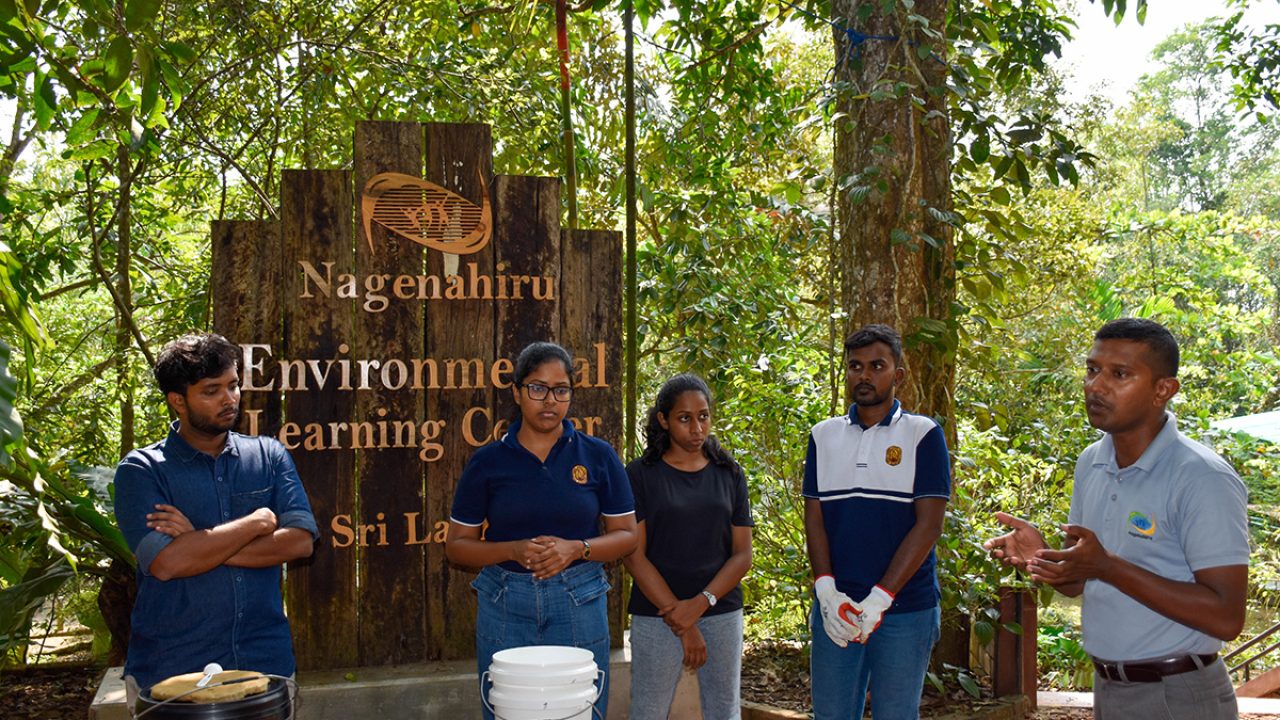
Across the Living Lakes Network, local communities are playing an essential role in protecting freshwater ecosystems through innovative and people-centered approaches. In Sri Lanka, the Nagenahiru Foundation is combining wetland conservation with sustainable tourism and community development around Madampa Lake, demonstrating how environmental protection and local livelihoods can go hand in hand.
In this edition of Expert Voices, Sajeewa Emmanuel shares his experience working on community-based conservation initiatives within the Living Lakes Biodiversity & Climate Project (LLBCP), highlighting the importance of local engagement, cultural heritage, and international collaboration in building long-term resilience for lakes and wetlands.
Q. Can you tell us about your professional journey and how you became
involved in the protection of lakes and wetlands?
My professional journey in lake and wetland conservation in Sri Lanka began as a volunteer with the Nagenahiru Foundation. With my background in tourism, I became involved in the Living Lakes biodiversity and climate projects, where I recognized the strong connection between sustainable tourism and wetland conservation at Madampa Lake.
Through this experience, I worked to link lake tourism with conservation activities while ensuring strong community involvement. One of the main challenges we identified was that many local communities were facing economic difficulties and could not fully dedicate their time to conservation work without financial support.
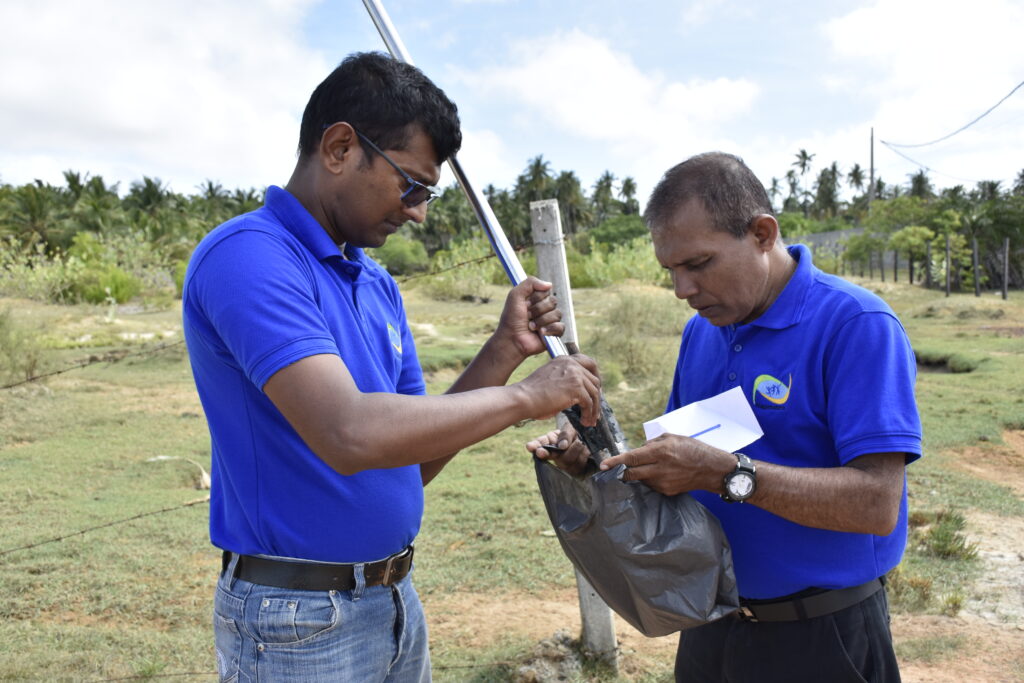
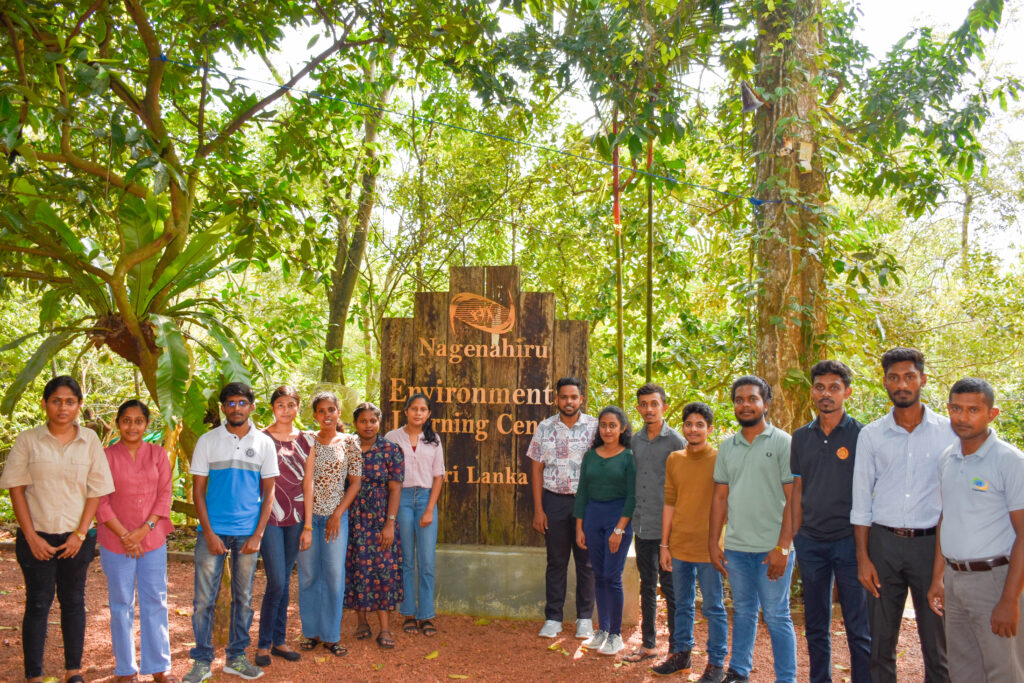
To ensure the long-term sustainability of the conservation initiatives under the Living Lakes Biodiversity and Climate Project, we developed a community-based sustainable tourism model. This approach allows local communities to generate additional family income through tourism while actively participating in conservation efforts and supporting the Nagenahiru Environmental Learning Center.
Today, this model not only contributes to biodiversity conservation and wetland protection but also strengthens local livelihoods and increases community ownership of conservation activities.
Q. In your opinion, what is the most urgent environmental issue affecting freshwater ecosystems today, and why?
In my opinion, one of the most urgent issues affecting freshwater ecosystems today is ensuring strong community involvement in conservation. Ultimately, the real owners and protectors of the environment are the local communities living around these ecosystems.
In many developing countries, people are naturally more focused on fulfilling their daily economic and social needs rather than environmental conservation. Therefore, it is essential to create conservation models that also generate additional income and livelihood opportunities for local communities.
At Madampa Lake, we have learned that when conservation is connected with sustainable livelihood activities such as community-based tourism, local people become more actively engaged in protecting the ecosystem. In this way, conservation becomes part of their daily life rather than an additional responsibility.
This kind of community-centered approach is important for ensuring the long-term sustainability of freshwater ecosystems and creating a sense of ownership and responsibility among local people.
Q. What innovative solutions are you currently applying or exploring in your work?
We are currently applying and exploring innovative, community-based solutions that integrate conservation, culture, and sustainable tourism at Madampa Lake.
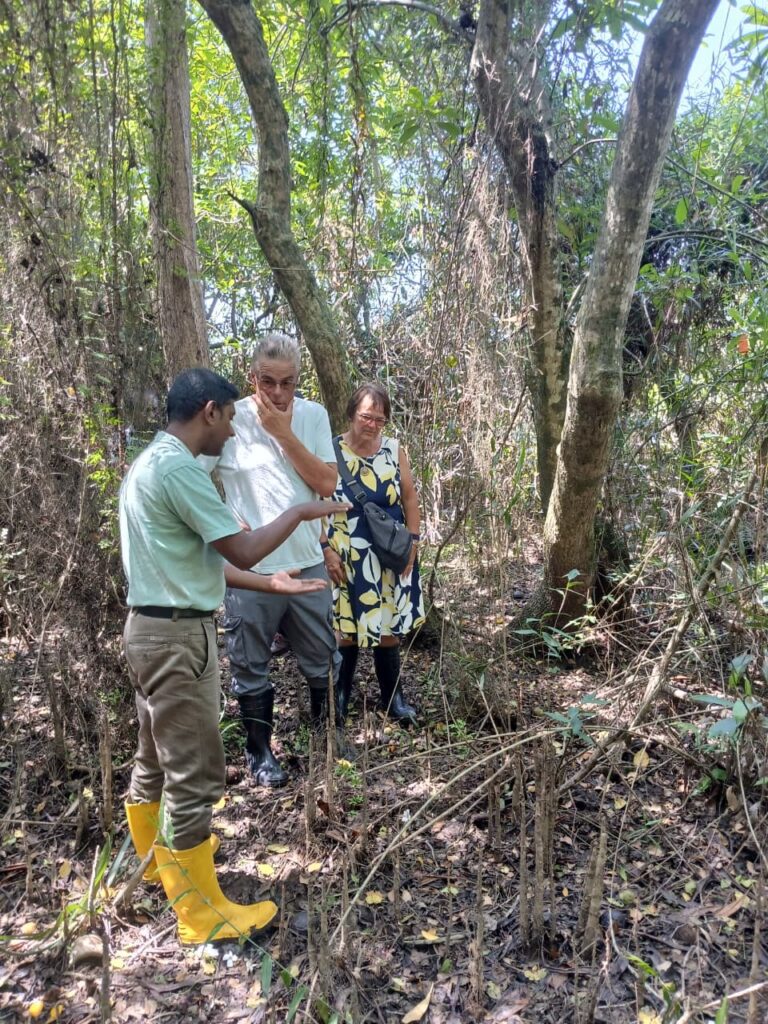
One of the key approaches is offering immersive experiences for both Sri Lankan and international visitors, where they can directly engage with local communities and conservation activities. This includes hands-on participation in mangrove restoration, from nursery management and planting to the long-term maintenance of restored sites.
In addition, we are showcasing the rich cultural heritage of the lake landscape by involving traditional livelihoods such as cinnamon workers, coconut fiber artisans, and local painters. These interactions allow visitors to experience authentic, living traditions while supporting their preservation.
These sustainable tourism initiatives provide additional income opportunities for local families without replacing their traditional livelihoods. At the same time, participation is closely linked with conservation work through the Nagenahiru Environmental Learning Center under the Nagenahiru Foundation, ensuring that tourism directly contributes to ecosystem protection and long-term community stewardship of the landscape.
Q. How does international collaboration support and strengthen your conservation efforts?
International collaboration plays a crucial role in strengthening our conservation work at Madampa Lake. Through the International Living Lakes Network, we are able to share knowledge, technical expertise, and practical solutions for the challenges we face in wetland conservation. This exchange of experience helps us continuously improve our management approaches and overcome local environmental and community-related challenges.
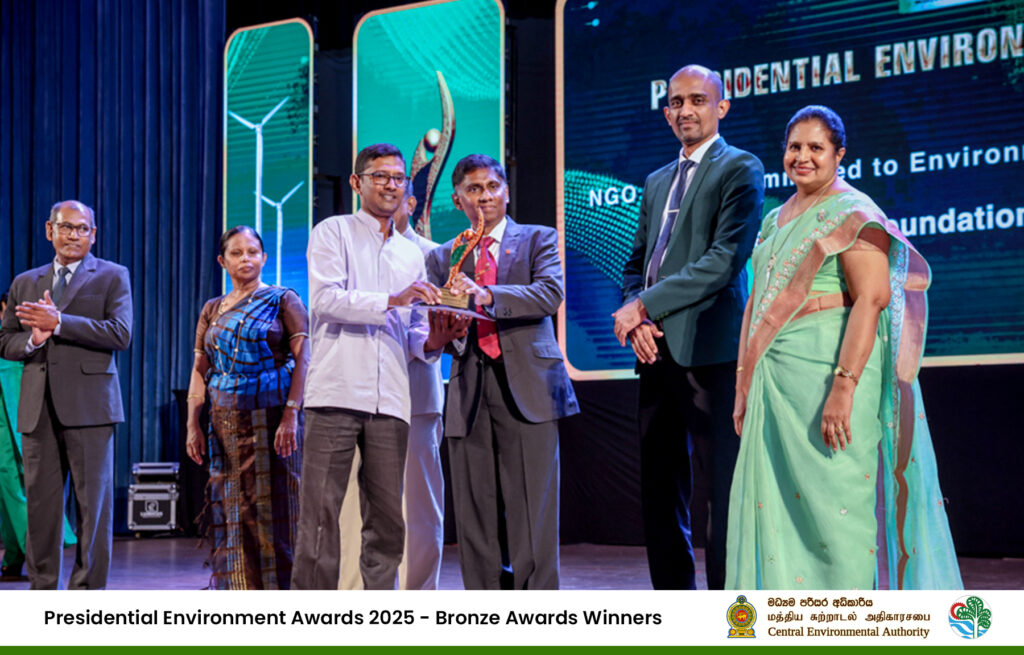
In addition, international recognition has significantly enhanced the visibility and credibility of our work. Being recognized as a finalist for the TO-DO Award and the ESD Okayama Award, as well as receiving the Presidential Award in Sri Lanka, has strengthened confidence in our model and opened doors for new partnerships.
This sustainable conservation model has also been showcased at international platforms such as the ITB Berlin Travel Trade Fair, helping us connect with global stakeholders in tourism and conservation. These collaborations not only provide validation but also create opportunities for scaling and replicating our community-based conservation approach through the Nagenahiru Foundation and the Nagenahiru Environmental Learning Center.
Q. What advice would you give to young professionals who want to dedicate themselves to protecting lakes and wetlands?
My advice to young professionals who want to dedicate themselves to protecting lakes and wetlands is to always place local communities at the center of conservation work. Real and lasting environmental protection is not achieved by external actors alone; it depends on the active participation of people who live around these ecosystems.
A key question to address in any conservation initiative is: why should local communities be involved in conservation? When this question is clearly answered through practical benefits—such as income generation, livelihood opportunities, and improved well-being—community support becomes much stronger and more consistent.
Therefore, successful conservation models must ensure that benefits directly reach local people. When communities see conservation as something that improves their lives rather than an external obligation, they naturally become long-term stewards of lakes and wetlands.
At Madampa Lake, this approach has shown that linking conservation with sustainable tourism and community-based livelihoods through the Nagenahiru Foundation helps ensure both ecological protection and social sustainability.