
This infographic provides educational information about Lake Titicaca, including surface area, depth variations, water balance, and other key physical and hydrological data.

This infographic provides educational information about Lake Titicaca, including surface area, depth variations, water balance, and other key physical and hydrological data.
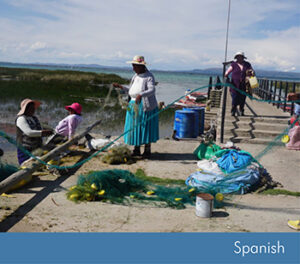
This document analyzes the factors behind the decline of native fish and artisanal fisheries in Lake Titicaca, including genetic loss, habitat alteration, and introduction of non-native species.
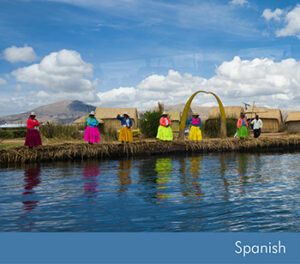
This video shows how Lake Titicaca is impacted by human activities such as improper waste disposal, mining-related pollution, and untreated sewage, highlighting the urgency of environmental action.
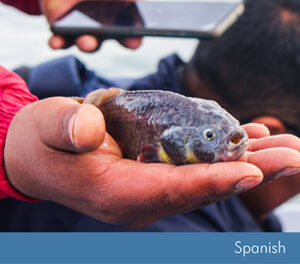
This manual provides an overview of the lake’s fish diversity, with special emphasis on the native genera Orestias and Trichomycterus.
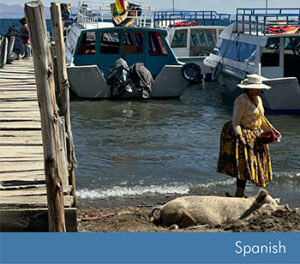
This infographic presents an overview of 10 socio-environmental conflicts in the Lake Titicaca basin, detailing their locations and current status. Most of these conflicts involve water use and pollution
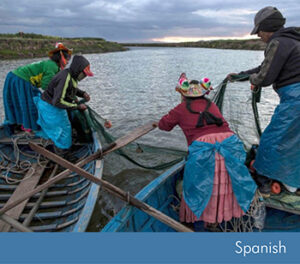
This infographic explores aquaculture as a key activity in Lake Titicaca, particularly involving introduced species like trout. It highlights challenges such as poor practices and lack of regulation.
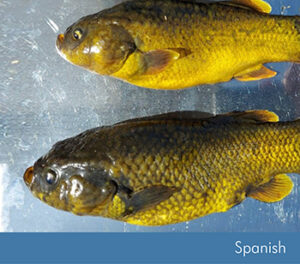
This document explores how Lake Titicaca is home to unique native fish such as Carachi, Ispi, Suche, and Mauri. It presents breeding closure dates and details their habitats and conservation needs.
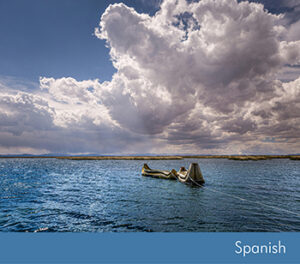
This infographic explores how the TDPS system and Lake Titicaca face serious environmental challenges like pollution, waste, sewage, and mining, despite being vital for local communities.
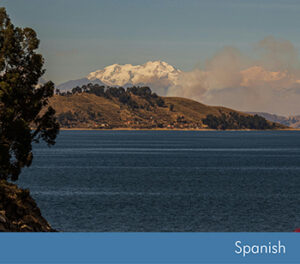
This infographic explores the TDPS water system and Lake Titicaca as vital ecosystems shared by Peru and Bolivia. They support biodiversity, water supply, agriculture, and fisheries.
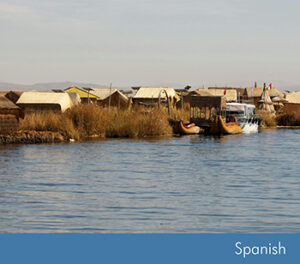
This infographic of the TDPS system (Titicaca-Desaguadero-Poopó-Salar de Coipasa) illustrates the high-altitude water network spanning Peru and Bolivia, including lakes, rivers, and salt flats.