
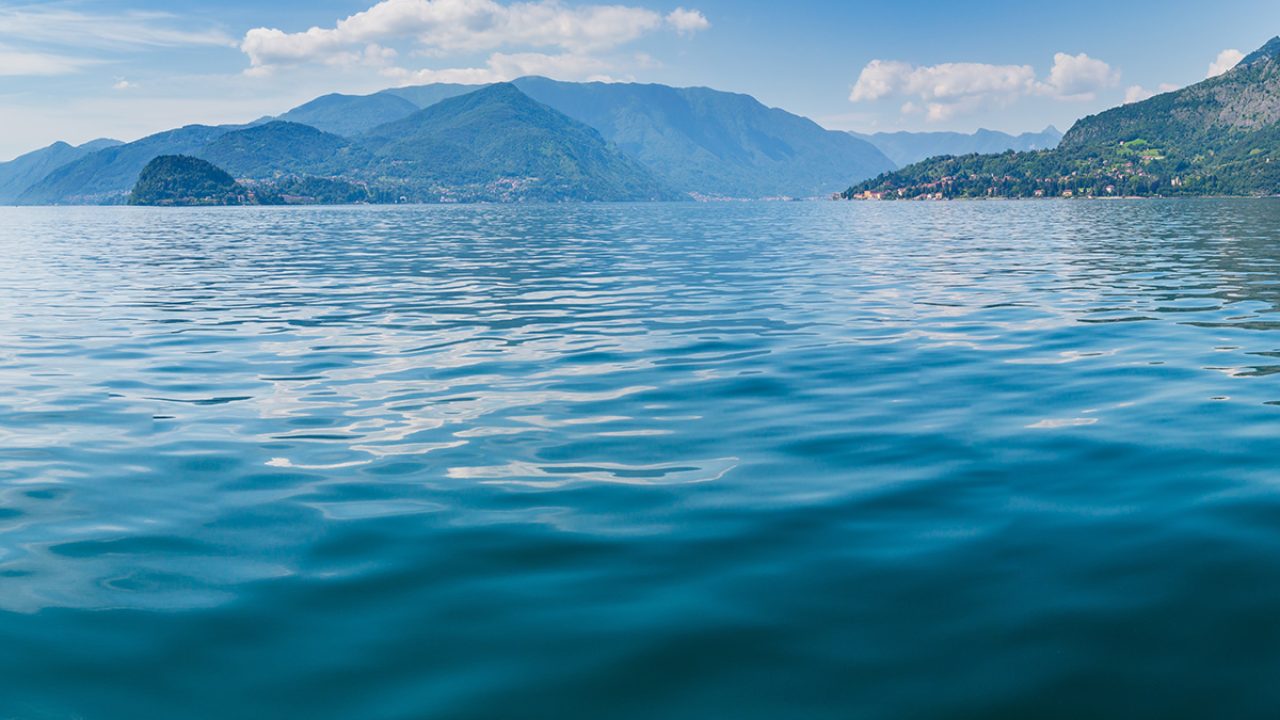
Water is the foundation of life. It sustains biodiversity, regulates the climate and supports the wellbeing of millions of people around the world. On World Water Day, the Living Lakes Biodiversity and Climate Project (LLBCP) highlights that protecting lakes and wetlands is not only an environmental priority — it is essential for building a more resilient, just and sustainable future.
Freshwater ecosystems are among the most valuable on the planet. They host extraordinary biodiversity, store carbon and provide essential ecosystem services. Yet wetlands continue to disappear at an alarming rate, while many lakes and catchments remain under severe pressure from pollution, unsustainable water management, intensive agriculture and ecosystem degradation.
In response, the LLBCP works to conserve and restore degraded lakes and wetlands through nature-based solutions, capacity development, knowledge exchange and community-based action. The project brings together partners across 10 countries and promotes replicable approaches that help reduce impacts, restore ecological functions and strengthen the protection of biodiversity and the ecosystem services these waters provide for people and nature.
The message of the video prepared for this occasion is built around a simple but powerful idea: caring for lakes is caring for life. Lakes and wetlands are not isolated landscapes — they are living systems that connect water, nature and people. Protecting them means protecting the conditions that make life possible. The video also reminds us that many of the answers we need already exist, both in ancestral knowledge and in modern restoration practices. One of its central messages is the importance of working with water, not against it.
Today, a growing range of restoration measures is showing real potential. These include constructed wetlands, biomimicry, phytobioremediation, reforestation, shoreline restoration and other actions designed to recover the natural capacity of ecosystems to filter water, provide habitat and sustain life. As the video shows, when restoration begins, visible results can follow — from improved water quality to the return of fish in areas that had previously been degraded.
The LLBCP is grounded in a clear principle: long-term restoration only works when it is built on cooperation. That is why the project places strong emphasis on the participation of local communities, fishers, farmers, public authorities, civil society organisations and other stakeholders connected to wetland governance and restoration. Capacity building, knowledge transfer and exchange across regions are essential to scaling up impact and supporting lasting change.
On this World Water Day, the Living Lakes Biodiversity and Climate Project calls for greater recognition of the strategic importance of lakes and wetlands for biodiversity, climate action and human wellbeing. Restoring them means protecting water. And protecting water means protecting life.
Because water is our most important resource.
Because healthy lakes and wetlands mean healthier communities.
And because real change happens when we work together.
Together, we can achieve more.