
Deepor Beel, one of India’s most important Ramsar-listed wetlands, is facing increasing pressure from rapid urbanisation. Located near Guwahati, the wetland has been heavily impacted by wastewater discharge, encroachment, and pollution, threatening its rich biodiversity and the ecosystem services it provides to surrounding communities.
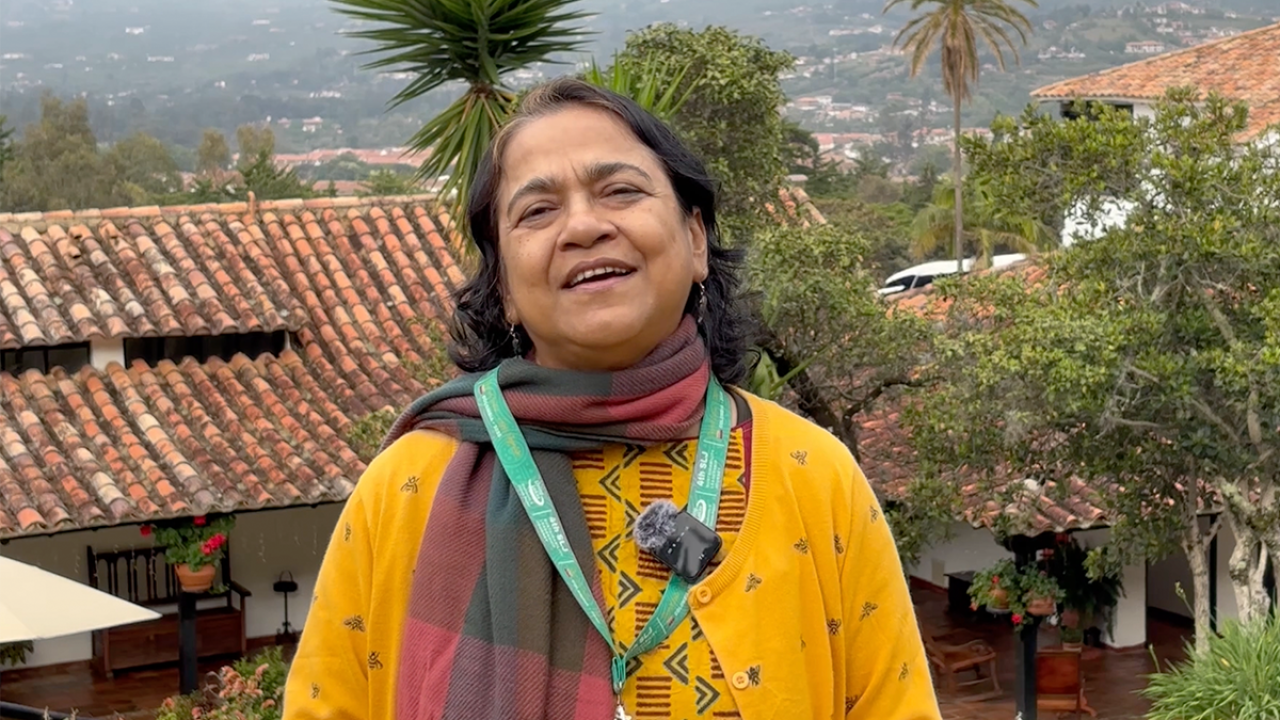
A recent video featuring Ajanta Dey from Nature Environment and Wildlife Society (NEWS) highlights how innovative, nature-based solutions are helping to restore ecological balance in the area and offering new hope for the future of this critical wetland.
Nature-Based Restoration in Action
One of the key interventions presented is a phytobioremediation pilot project in the Pamohi River, a tributary linked to the Deepor Beel ecosystem. The approach uses aquatic plants and riparian vegetation to naturally filter pollutants from the water, improving water quality through ecological processes rather than engineered infrastructure.
This low-cost, nature-based method demonstrates how ecosystem functions can be harnessed to address water pollution while supporting biodiversity recovery.
Signs of Ecological Recovery
Early results from the initiative are already visible. The return of fish populations to the Pamohi River is being seen as a strong indicator of improving ecosystem health. These ecological signals suggest that degraded wetland systems can begin to recover when targeted restoration measures are applied consistently.
From Local Innovation to Policy Adoption
The success of the pilot initiative has gained the attention of the Government of Assam, which has recognized phytobioremediation as a viable approach for wetland and river restoration. As a result, similar nature-based interventions are now being replicated across multiple wetlands and water bodies in the region.
This is a clear example of how local innovation can serve as the foundation for larger-scale environmental policies and measures.
From Waste Site to Living Ecosystem
Despite its ecological importance and its role in supporting local livelihoods, Deepor Beel has long suffered from pollution and its use as an informal waste disposal site. However, ongoing restoration efforts are helping to shift this trajectory, working towards the recovery of the wetland as a functioning “Living Lake”.
When ecosystems are supported through nature-based solutions and collective action, recovery is not only possible—it is already underway.
This initiative is part of the Living Lakes Biodiversity and Climate Project, which promotes innovative solutions and knowledge exchange to protect lakes and wetlands worldwide, funded by BMUKN through IKI and supported by German Postcode Lottery, Kärcher, Lonza, Ground Lake, Georg Fischer Foundation, and many individual donors.