
Lake Malawi is one of Africa’s largest freshwater ecosystems and a vital lifeline for surrounding communities. More than 1.6 million people depend on the lake for fish, which provides a key source of protein, income, and food security across the region.
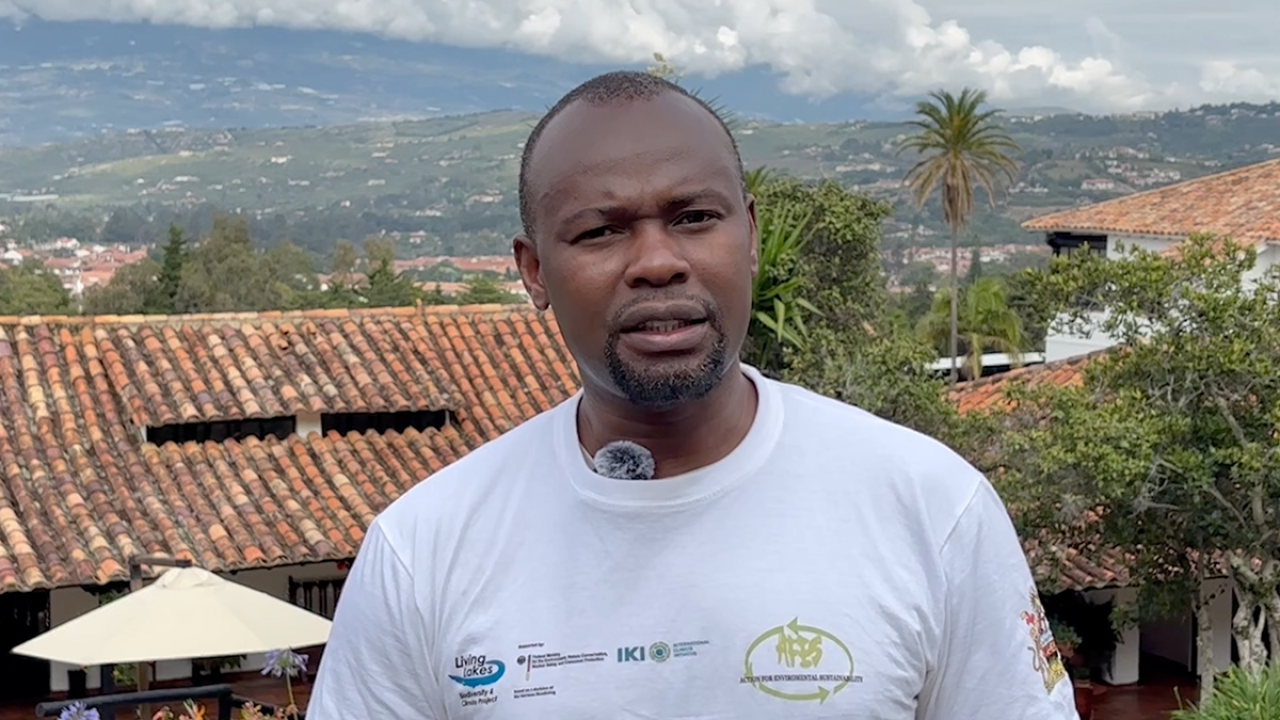
However, this fragile balance is increasingly under threat. In a recent insight shared by Daniel Mwakaneka from Action for Environmental Sustainability (AfES), the lake is facing multiple interconnected pressures that are accelerating ecosystem degradation.
Growing environmental pressures
One of the most significant challenges is unsustainable agriculture in the lake’s catchment area. Poor farming practices are driving soil erosion, which leads to sedimentation in the lake. This process reduces water quality and disrupts aquatic habitats essential for fish reproduction and biodiversity.
At the same time, the intensive use of agrochemicals is introducing harmful pollutants into the lake system. Pesticides and fertilizers contaminate the water, posing risks not only to biodiversity but also to the health of communities that rely on the lake for drinking water, fishing, and irrigation.
Overfishing adds further pressure. As demand for fish continues to rise, fish populations are being exploited beyond sustainable levels, weakening the resilience of the ecosystem and threatening long-term food security.
Community-driven restoration through the Living Lakes Network
Despite these challenges, local and international efforts are helping to reverse environmental decline.
Through the Living Lakes Biodiversity and Climate Project (LLBCP), AfES is working directly with communities around Lake Malawi to promote more sustainable practices and restore ecosystem health.
Key actions include the promotion of alternative livelihoods for both fishers and farmers, helping reduce dependency on overexploited resources while improving income stability. In parallel, capacity-building activities are strengthening local knowledge and environmental stewardship.
A central component of this work has been the training of more than 90 “champion farmers”, who act as local multipliers of sustainable agricultural practices. These trained community leaders have already shared their knowledge with over 500 additional farmers, creating a ripple effect of positive environmental change across the region.
A shared responsibility for lake restoration
The experience in Lake Malawi highlights a broader global challenge: the need to balance human livelihoods with the restoration of freshwater ecosystems. As emphasized by the Living Lakes Network, healthy lakes are essential for resilient communities, biodiversity conservation, and climate adaptation.
Strengthening community-led solutions, reducing pollution, and promoting sustainable resource use are key steps toward securing the future of Lake Malawi and other threatened freshwater ecosystems worldwide.
Healthy lakes mean healthy communities — and their protection is a shared responsibility.
This initiative is part of the Living Lakes Biodiversity and Climate Project, which promotes innovative solutions and knowledge exchange to protect lakes and wetlands worldwide, funded by BMUKN through IKI and supported by German Postcode Lottery, Kärcher, Lonza, Ground Lake, Georg Fischer Foundation, and many individual donors.