Farmers at Deepor Beel Transition to Biodiversity-Friendly Agriculture
Promoting biodiversity-friendly agriculture is more than just a farming choice; it is a vital shield for protecting our most precious freshwater ecosystems. Around the shores of Deepor Beel, a significant transformation is taking place as local farmers set aside synthetic sprays in favor of environmentally friendly pest management. Guided by the Nature Environment & Wildlife Society (NEWS), this shift is a cornerstone of the Living Lakes Biodiversity and Climate Project (LLBCP), a global effort to build climate resilience and protect the “blue lungs” of our planet.
Reducing Chemical Dependency to Protect Wetlands
A baseline survey conducted by the NEWS team revealed a troubling cycle: farmers in the Deepor Beel area were relying heavily on chemical pesticides to fight rising infestations. However, these synthetic inputs failed to deliver sustainable results. Instead, they left behind a trail of negative consequences:
Failing Yields: Crop losses continued to rise despite increased chemical use.
Health and Habitat Risks: The adverse impacts on human health and the wetlands unique biodiversity became impossible to ignore.
Wetland Vulnerability: As one of India’s most ecologically significant wetlands, Deepor Beel is highly sensitive to agricultural runoff, which disrupts aquatic life and undermines the ecosystems integrity.
Recognizing that the wetland could not wait, NEWS introduced a remedy rooted in traditional wisdom and nature-based solutions.
Agniastra: A Natural and Low-Cost Bio-Pesticide
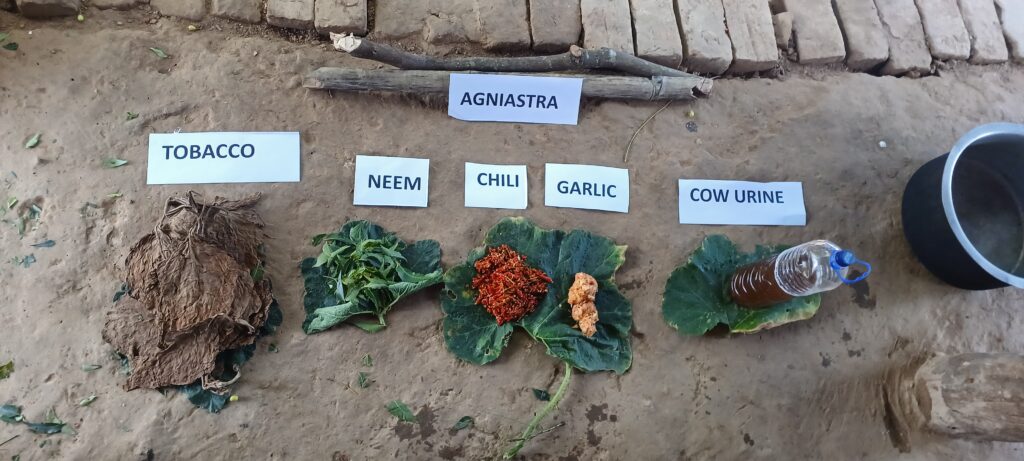
In response, NEWS introduced Agniastra, meaning “Fire Weapon,” a natural and low-cost bio-pesticide. Agniastra is made from locally available ingredients, including cow urine, neem leaves, tobacco, chili, and garlic, making it an accessible and sustainable alternative to synthetic pesticides.
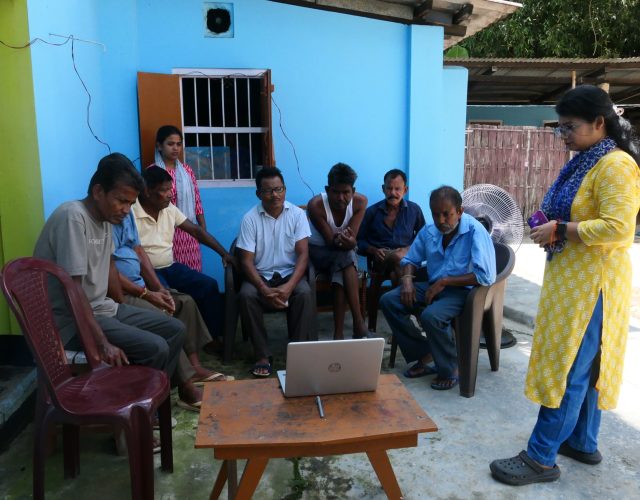
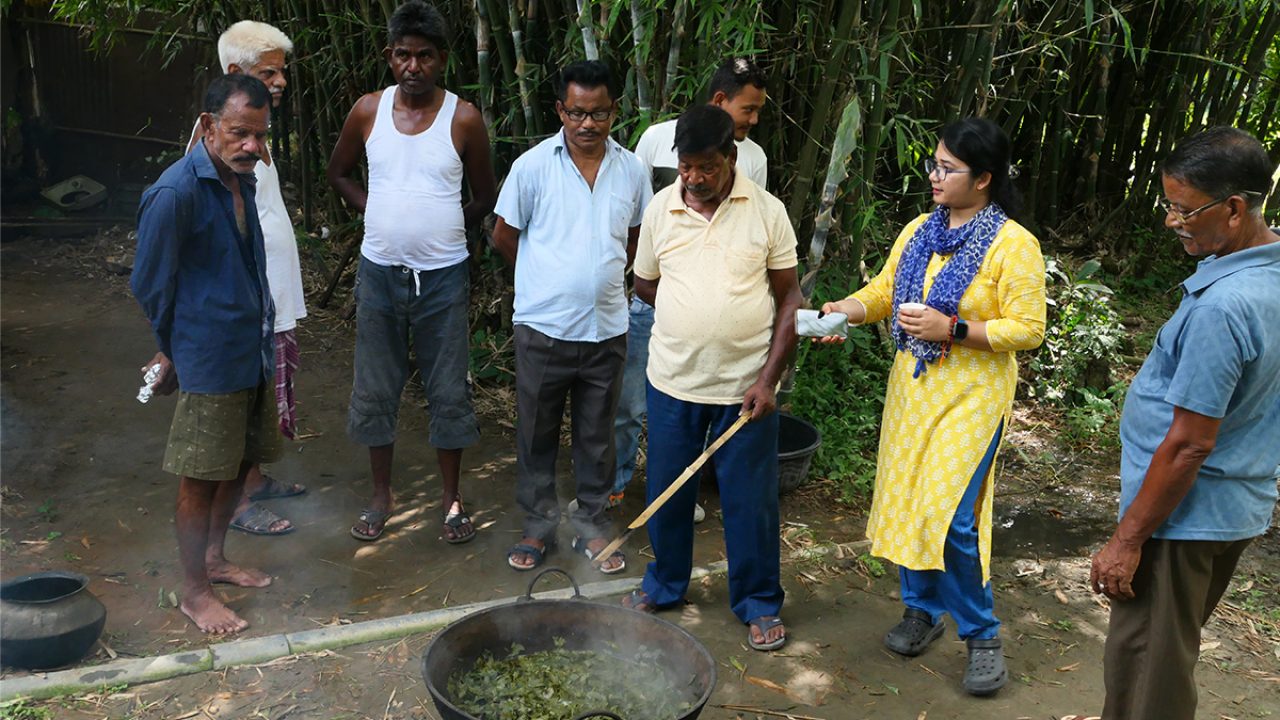
During July to September 2025, the NEWS team, led by Dr. Bedabati Kalita, held hands-on workshops in fringe areas like Kalitapara (Chakardo) to teach the art of its preparation.
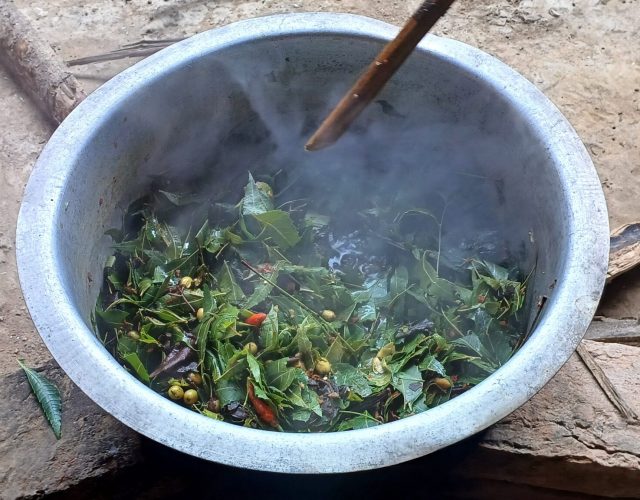
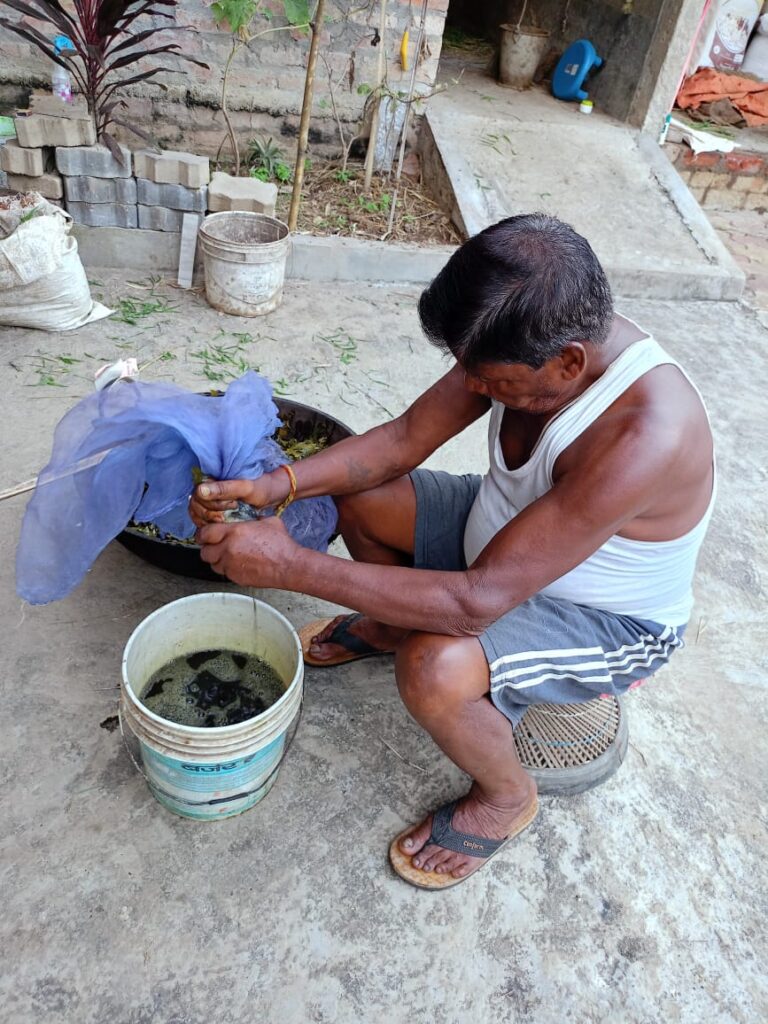
During the sessions, farmers learned to boil these ingredients in a pot and allow the mixture to ferment for 48 hours before filtering it for field use. This “fire weapon” is specifically effective against stubborn pests like stem, fruit, and root borers. Beyond pest control, the workshops sparked discussions on Vermicomposting and the principles of Zero Budget Natural Farming, offering a holistic path away from chemical dependency.
Strengthening Livelihoods While Safeguarding Biodiversity
Today, the farmers of Deepor Beel are putting this knowledge into practice, utilizing Agniastra as a bio-repellent to reduce the chemical burden on their land and the water. By proving that sustainable agriculture and wetland protection are complementary, this initiative supports both secure food production and the conservation of vital freshwater habitats.
This local action reflects the broader mission of the LLBCP: empowering communities to adopt nature-based solutions that enhance climate resilience while safeguarding the biodiversity that sustains us all.
A famer filtering the fermented mixture.
This initiative is part of the Living Lakes Biodiversity and Climate Project, funded by BMUKN through IKI and supported by German Postcode Lottery, Kärcher, Lonza, Ground Lake, Georg Fischer Foundation, and many individual donors.
Join the global community for lakes
Sign up to receive our newsletter!
Thank you! Please check your inbox to complete your subscription
You are not suscribed yet - please check the confirmation email we just sent you. Thank you!
THIS WEBSITE USES COOKIES. We use cookies to store non-personal information necessary for the operation of the website. If you continue browsing the site, you accept the use of cookies on this website.