Across the Living Lakes Network, protecting freshwater ecosystems requires innovative solutions that connect healthy landscapes, resilient communities, and sustainable land management. In South Africa, WILDTRUST is advancing this vision by promoting practical approaches that improve both ecosystem health and local livelihoods.
In this edition of Expert Voices, Nic Moxham shares his experience working within the Living Lakes Biodiversity & Climate Project (LLBCP), highlighting the importance of environmental education, regenerative land management, and international collaboration in addressing the growing pressures on lakes and wetlands. He also reflects on the value of staying curious, learning from nature, and empowering communities to become long-term stewards of freshwater ecosystems.
Q. Can you tell us about your professional journey and how you became involved in the protection of lakes and wetlands?
My experience and interest in conservation began in 2013 when I trained as a safari guide at MalaMala Game Reserve. During my three years as a guide I gained practical knowledge of ecosystem functions, including how water shapes the movement and habits of wild animals.
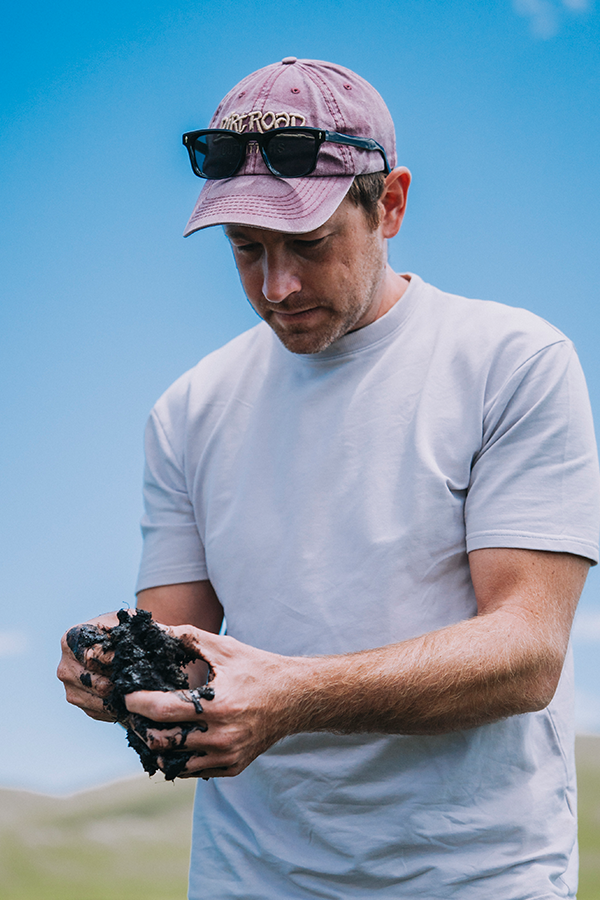
After leaving the bush I started a composting business where we used plant and animal waste to produce a biologically diverse compost which was supplied to a range of producers, from commercial farms to small-scale vegetable producers. This experience translated into a thorough understanding of soil biology and its effects on hydrology and plant growth.
A portion of my time in this field was to research and test bioremediation techniques using activated carbon and microorganisms to bioremediate harmful chemicals and pathogens in both water and soil.
Q. In your opinion, what is the most urgent environmental issue affecting freshwater ecosystems today, and why?
In a word, overpopulation. Industrialisation, capitalism and the steamroller that is human progression is affecting our planet faster than we can protect it. There has been great progress in developing eco-friendly solutions to guard against this, however at the current rate, even with the advancement of science and education, it is clear that we are losing more of the natural world than ever before.
All species are inherently designed to select for the success of their species over the rest, unfortunately, homo sapiens have been really good at it! Hard to tell us now to go back to being hunter-gatherers.
Q. What innovative solutions are you currently applying or exploring in your work?
Education is still a great asset if we are to improve our conservation efforts. I have been championing the usefulness of innovative composting systems, using waste to produce biologically diverse soil amendments.
Composting solves many problems – the waste problem, the soil health problem, as well as creating employment opportunities. Compost can be transformed into tailored liquid amendments, and help with water and nutrient retention in high-leaching soils.
Q. How does international collaboration support and strengthen your conservation efforts?
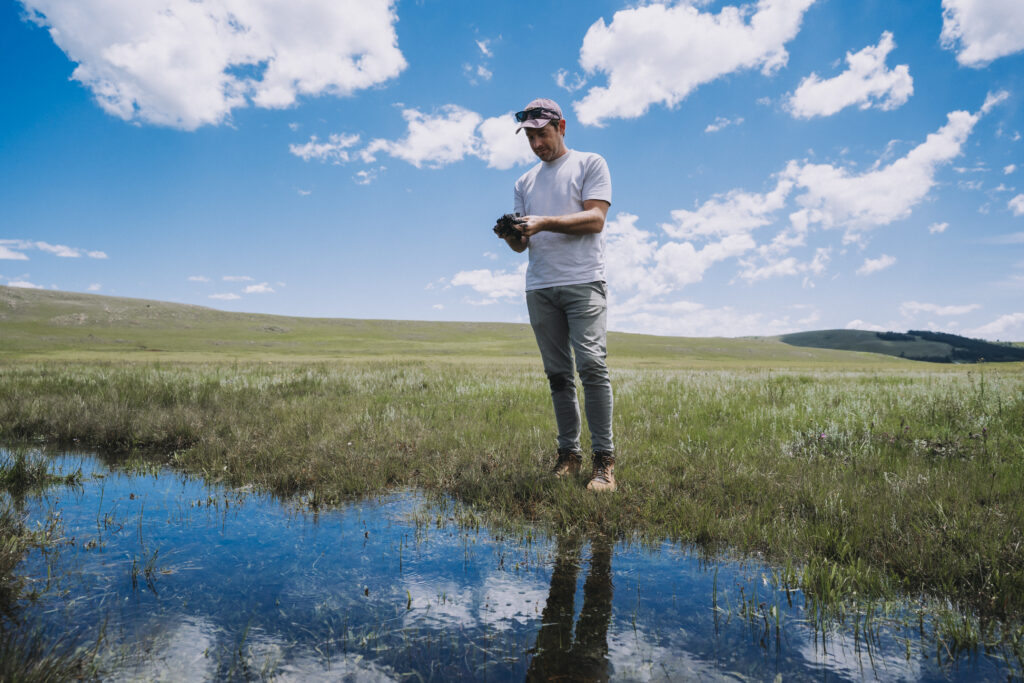
It provides access to funding that allows us to purchase equipment for communities to better protect their land, whether that’s for agro-ecological purposes or strictly conservation practices.
It allows us to bring in specialists to educate communities on better methods of farming, fishing, production and tourism. It links us with the expanding network of global specialists on various conservation areas.
Q. What advice would you give to young professionals who want to dedicate themselves to protecting lakes and wetlands?
Remain curious. Keep an open mind and develop an eagerness to keep learning. Every wetland and lake has its own unique characteristics and ecology. Learn from individuals with experience rather than textbooks and always remember that we are a part of the natural world, not separate from it.
Drop the ego, you are never always right – nature is often more complex than it seems. Think big, start small, act now.