
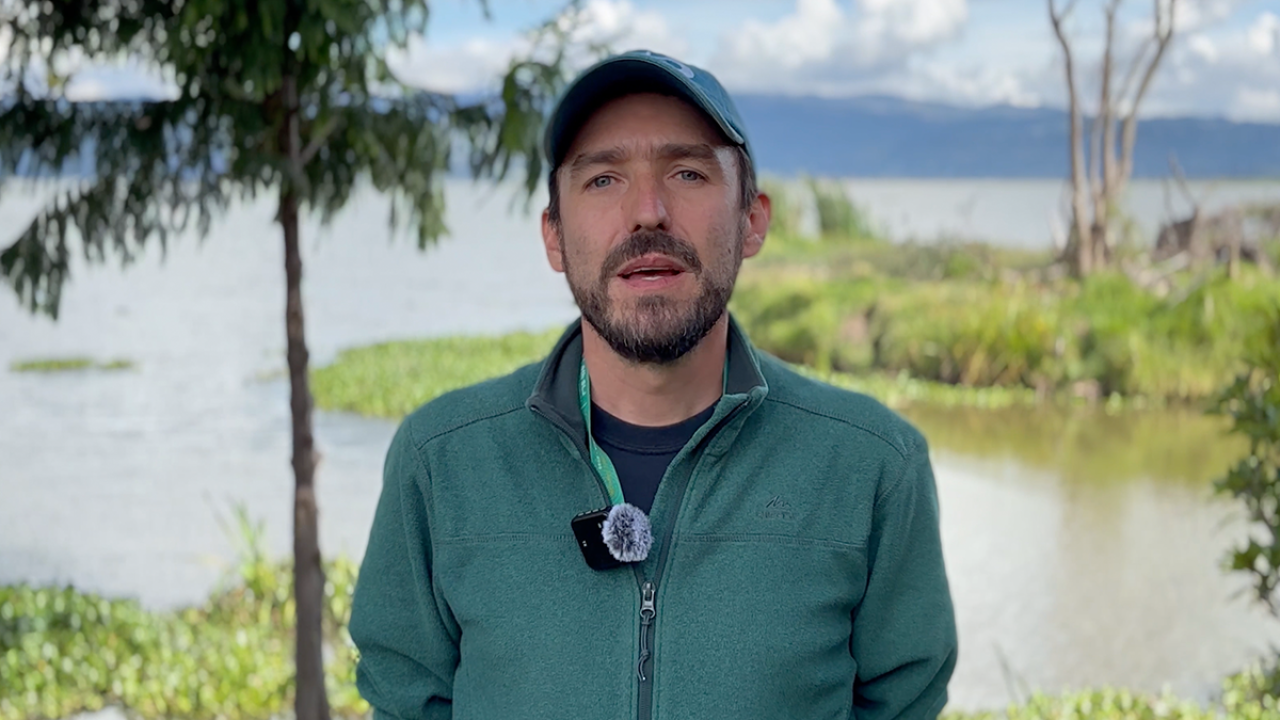
High Andean lakes are among the ecosystems most vulnerable to climate change. Due to their altitude and ecological sensitivity, these freshwater systems are increasingly affected by rising temperatures, biodiversity loss, and mounting pressure from agricultural expansion. In Colombia, Lake Fúquene is one of the wetlands facing these growing environmental challenges.
A new video produced by Fundación Humedales highlights how integrated, community-based solutions are helping strengthen the resilience of the lake and surrounding communities. In the video, Felipe Valderrama explains how local action, sustainable agriculture, and citizen science are contributing to the protection and restoration of this important ecosystem.
Agroecology as a Tool for Adaptation and Inclusion
One of the key components of the initiative is the promotion of agroecological practices among local farming communities. These approaches help households adapt to climate-related challenges while reducing environmental impacts on the lake ecosystem.
At the same time, the project promotes greater gender inclusion and equity by encouraging the active participation of women and vulnerable groups in sustainable agricultural activities and local decision-making processes.
Sustainable Production Supporting Biodiversity
The project also works closely with farmers to improve agricultural practices linked to onion cultivation and cattle farming, two important economic activities in the region. By introducing more sustainable production methods, communities can maintain their livelihoods while reducing pressure on biodiversity and improving ecosystem health.
Citizen Science Empowering Local Communities
Citizen participation plays a central role in the initiative. Local communities are actively involved in monitoring water quality and identifying invasive species, helping generate valuable environmental data while strengthening environmental awareness and stewardship.
Participatory monitoring and community engagement are core principles of the Living Lakes Biodiversity and Climate Project (LLBCP), part of the international Living Lakes Network, which promotes the protection and sustainable management of lakes and wetlands worldwide.
Tangible Results on the Ground
Over the past four years, the project has successfully established 50 agroecological production units, including 25 in the Fúquene region alone. The initiative aims to double the number of beneficiary households in the coming years, further expanding its environmental and social impact.
The work developed around Laguna de Fúquene demonstrates how science, local knowledge, and community participation can come together to address climate change, conserve biodiversity, and improve livelihoods in vulnerable wetland ecosystems.
This initiative is part of the Living Lakes Biodiversity and Climate Project, which promotes innovative solutions and knowledge exchange to protect lakes and wetlands worldwide, funded by BMUKN through IKI and supported by German Postcode Lottery, Kärcher, Lonza, Ground Lake, Georg Fischer Foundation, and many individual donors.