Join the Living Lakes monthly webinars to learn about practical solutions and the latest trends on nature conservation, relevant international agreements and frameworks, and much more.
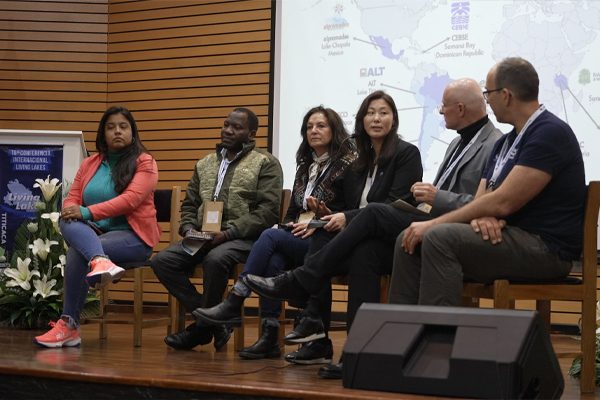
Experts from different countries and backgrounds will interactively share experiences and knowledge on multiple topics with a common focus – the protection and sustainable use of aquatic ecosystems.
Targeting practitioners, students and policy-makers, the webinars will equip the audience with real life management skills to lead effective conservation.
Every third Tuesday of the month
2 – hour webinar
English language
Scheduled Webinars
New webinars coming soon...
Past Webinars
Towards Resilient Landscapes: Agriculture and Wetland Protection
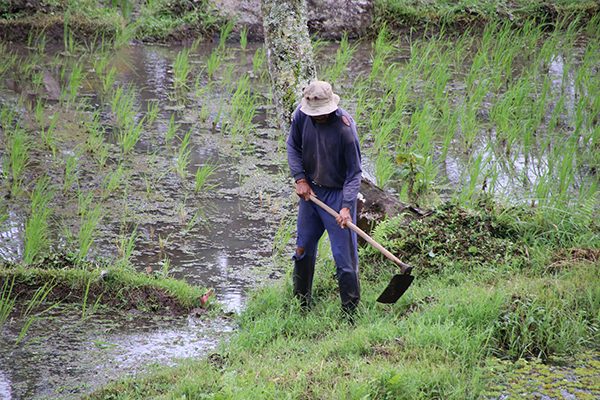
This webinar focuses on a multiple land-use as a tool for conservation and on the need to harmonize agricultural practices with wetland conservation to ensure long-term ecological and economic sustainability. Participants explore how sustainable agriculture can reduce pressure on wetlands by minimizing water extraction, agrochemical runoff, and land degradation. Case studies showcase successful approaches where farm productivity and wetland health go hand-in-hand, highlighting the importance of collaboration between farmers, conservationists, and policymakers.
Sustainable Aquaculture for Healthy Wetlands
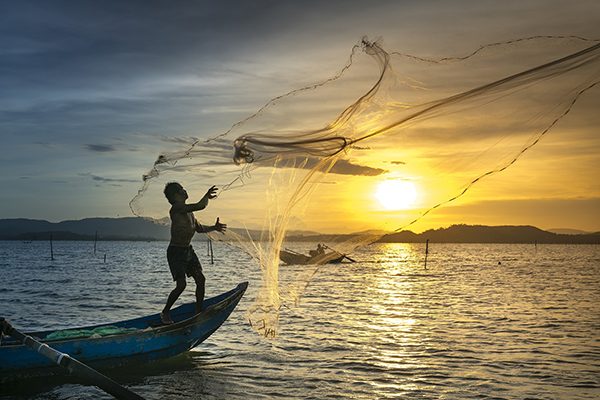
This webinar explores the balance between aquaculture development and the conservation of wetland ecosystems. Participants learn how sustainable aquaculture practices can support food security and livelihoods while minimizing environmental impacts on wetlands. The participants will learn about integration of aquaculture into wetland landscapes responsibly, reduction of pollution and habitat degradation through eco-friendly farming methods as well as policy frameworks and community-based approaches for co-management. The session highlights successful examples of low-impact aquaculture that aligns with wetland conservation goals, emphasizing that smart planning and innovation can lead to mutually beneficial outcomes for both nature and people.
Restoring Wetlands Ecosystems: from Degradation to Resilience
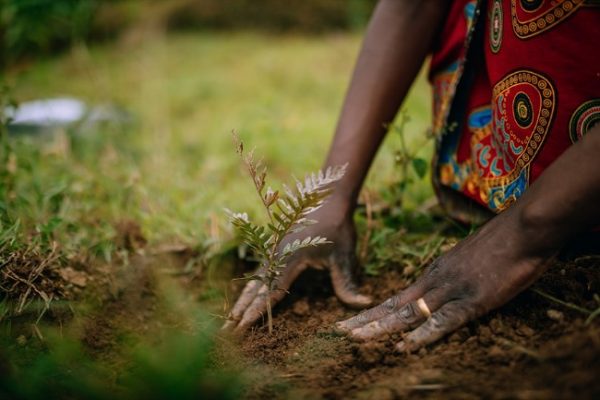
This webinar provides an in-depth look at the importance, methods, and benefits of wetland restoration. Participants learn how restoring degraded wetlands helps recover lost ecosystem functions, such as flood control, water purification, carbon storage, and biodiversity support. Case studies illustrate successful restoration efforts across different regions, highlighting both ecological and socio-economic outcomes. This session will dwell upon biodiversity credits in connection with restoration of ecosystems, agroforestry and reforestation, showing that wetland restoration can become a powerful nature-based solution to combat climate change, enhance resilience, and support sustainable development.
Protecting Communities: Wetlands in Disaster Risk Management
This webinar explains how wetlands play a key role in reducing natural disaster risks by acting as natural buffers. They absorb floodwaters, reduce storm surge, and stabilize shorelines, protecting communities from floods, droughts, and coastal erosion. Preserving and restoring wetlands is a cost-effective, nature-based solution for building climate and disaster resilience. The session dwells upon the sustainable use of natural ecosystems and processes to help societies adapt to the impacts of climate change and build climate and disaster resilience. Restoring wetlands, reforesting degraded land or green urban spaces can become sustainable, and effective tools for both helping human and natural systems adapt to climate change impacts and delivering long-term environmental and social benefits.
Cleaner Waters: Wetlands and Water Health
This webinar explores the vital role of wetlands in maintaining and improving water quality. Participants learn how wetlands act as natural filters, removing sediments, nutrients, and pollutants from surface and groundwater through biological, chemical, and physical processes. The session highlights case studies demonstrating how protecting and restoring wetlands can significantly reduce the cost of water treatment, enhance ecosystem resilience, and contribute to cleaner, safer water for people and nature. It raises the issue of integration of wetlands into water management strategies and emphasizes the importance of policy support, local stewardship, and cross-sector collaboration to protect these crucial ecosystems.
Wetlands Driving Sustainable System Change
This webinar explores wetlands as powerful drivers of systemic transformation toward sustainability. Beyond their ecological functions, they support climate resilience, biodiversity conservation, and sustainable livelihoods, making them critical to achieving broader environmental and socio-economic goals. By integrating wetlands into landscape planning, climate adaptation, and water management, we can shift from exploitative to regenerative systems. Protecting and restoring wetlands is not just conservation—it’s a strategic lever for transforming how we interact with nature and build a resilient future.
The Value of Wetlands: Facing Challenges, Finding Solutions
This webinar explores the pressing challenges threatening water-based ecosystems and examines practical solutions for their protection and sustainable use. Participants learn how human activities, pollution, and climate change are degrading wetlands, undermining their capacity to support biodiversity, regulate water cycles, and buffer communities against extreme weather events. The session emphasizes the critical value of wetlands in achieving climate resilience, water security, and sustainable development, highlighting the need for integrated approaches that combine policy frameworks, community engagement, and nature-based solutions to safeguard these vital ecosystems.
Scaling Up Wetland Restoration: Transitioning from Project to Program
This webinar focuses on the strategies and challenges of scaling up wetland restoration efforts from individual projects to comprehensive programs. We explore effective approaches for expanding restoration initiatives, including best practices, case studies, and the tools needed to manage larger-scale projects. Attendees gain insights into the process of transforming successful local efforts into broader programs that can achieve significant environmental impact and sustainability.
Technology Approaches, Traditional Knowledge and Community Engagement in Wetland Restoration
This webinar showcases technological innovations and tools used in wetland restoration and share examples of youth-led tech-based solutions for biodiversity conservation. The webinar also explores the integration of Indigenous and local knowledge systems into wetland conservation strategies, highlighting youth-led community engagement projects that respect and incorporate traditional knowledge.
Empowering Communities (Part II)
This webinar continues the exploration of the important topic of Empowerment of Communities. It gives further insides in income generation and diversification as a tool for ecosystem conservation with a focus on Restoration & Sustainable Agriculture. By examining successful examples from various regions, we will discuss how such initiatives can both support local livelihoods and promote environmental conservation.
Empowering Communities (Part I): Income Generation and diversification as a Tool for Ecosystem Conservation (Focus on Eco-Tourism)
This webinar explores how creating new income opportunities within communities can serve as a powerful strategy to reduce pressure on ecosystems. By examining successful examples from various regions, we discuss how initiatives such as sustainable tourism, cooperative agriculture, and reforestation projects can both support local livelihoods and promote environmental conservation. Participants gain insights into how fostering economic growth in harmony with nature helps to protect ecosystems and ensure long-term sustainability.
Certifications for Enhanced Wetland Management: Agriculture, Tourism, Aquaculture and Carbon Sequestration
This webinar explores how certifications can serve as powerful tools for improving wetland management across various sectors, including agriculture, tourism, aquaculture, fisheries, and forestry. We examine specific certification standards, such as CO2 sequestration standards and REDD+, that contribute to sustainable practices and better ecosystem preservation. Attendees gain insights into how these certifications help protect wetlands, promote sustainable development, and support global environmental goals.
Wetlands and Climate Change: Biodiversity Credits & Teal Carbon as new tools in financing wetland restoration
This webinar explores the critical relationship between wetlands and climate change, focusing on current trends, consequences, and the associated risks. We will discuss the vital role wetlands play in climate mitigation, particularly through teal carbon—the carbon captured and stored in wetland ecosystems. The session will also introduce biodiversity credits as a tool for financing wetland restoration protecting and enhancing wetlands to combat climate change.
International Funding Schemes for Wetland Restoration: Opportunities and Strategies for Conservation Projects
This webinar explores various international funding schemes available for wetland restoration initiatives. Participants learn about key funding sources, grant programs, and financial strategies that support conservation efforts worldwide. The session also provides practical guidance on accessing and applying for these funds, helping organizations and projects secure the resources needed to restore and protect vital wetland ecosystems.
Global Organizations in Lake and Wetland Management: Key Players and Their Roles
This webinar provides an overview of leading international organizations involved in lake and wetland management (UNEP, RAMSAR, ILEC, INBO, YEW, Wetlands International, the Wildfowl & Wetlands Trust, WWF). Each organization’s contributions to conservation, policy, and scientific research will be highlighted, along with their impact on global wetland management. The session concludes with an overview of the Global Nature Fund’s (GNF) role in coordinating efforts across these organizations.
Wetlands and Threats: The Rapid Decline of Lakes and Wetlands in the Face of Global Challenges
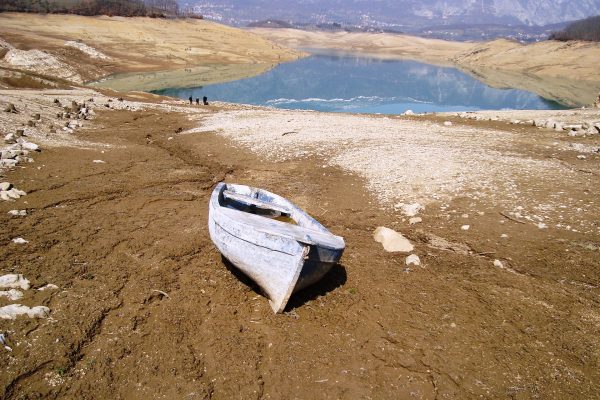
This webinar examines the alarming decline of lakes and wetlands over the past 300 years, with an accelerated loss in recent decades. As climate change intensifies, these vital ecosystems are increasingly threatened by overuse, drainage, pollution, and invasive species. The session explores the critical impacts these factors have on lakes and wetlands, highlighting the urgent need for conservation efforts to protect these essential habitats in a rapidly changing world.
Wetlands Basics: Global Status, Threats, and Conservation Strategies with a Focus on Tropical and Subtropical Lakes
This seminar explores the current status and pressing threats facing wetlands around the world, with particular emphasis on tropical and subtropical lakes. An overview of the latest scientific research and conservation evidence, highlighting international trends and their critical implications for biodiversity and climate change.
Restoring saline wetlands: oases of biodiversity in arid environments
Saline wetlands have a high concentration of salts in their waters. This particularity conditions the life of all the species of plants and invertebrates that inhabit them. This webinar discuss the characteristics and peculiarities of these reservoirs of biodiversity typical of steppe areas in Europe or Asia.
Sustainable Tourism as an Ally in Protected Area Management
Learn from conservation experts around the world how tourism activities can support the implementation of conservation measures in protected areas and beyond, and what tools and methods are qualified to engage tourism businesses in this approach.
Wetland Restoration from Patch to Landscape - Involving Communities in Small and Large Scale Restoration Activities
Learn from India, South Africa and Guatemala how community-based restoration can move from a small patch to a landscape approach. What are the key factors to involve and engage local people in protecting mangroves, gallery forests and montane rainforests?
Sustainable Agriculture as a Key Factor in Lake Basin Management
Learn about methods to reduce the serious impacts of agriculture on open water bodies, to adapt to the consequences of climate change and to involve local farming communities in the protection of their landscape and water resources.
What works to make Inland Artisanal Fisheries more Sustainable?
Learn from examples around the world about different approaches to improving the livelihoods of fishing communities, while sustainably managing fisheries resources and endangered fish species.
Wetlands and Climate Change
Learn about the most important global trends and their impact on wetlands. You will get an insight on which tools are used at the global level for wetland protection.
Sustainable Governance and Leadership in NGOs
Be introduced to a practice oriented bachelor study program for nonprofit and NGO management. Get an overview on sustainability oriented NGO governance aspects, tools and outcomes to improve your skills for a successful NGO career.
Basics in NGO Management
Learn about basics in corporate social responsibility and sustainable management of non- profit organizations and get to know the most important international actors in wetland protection.
Wetlands and Threats
Lakes and wetlands have been largely lost over the past 300 years, and at an increasing speed in recent decades. In the midst of climate change, overuse, drainage and exploitation, pollution and invasive species still have a huge impact on lakes.
Wetland & Limnology Basics
Learn about the ecological functioning, types and classification of lakes and wetlands to support your management decisions with sound expertise on threads and trends.
International Cooperation and Conservation Tools
Learn about important international networks and initiatives such as ILEC, Youth Engaged in Wetlands (YEW) and the Africa Great Lakes network. Get to know useful tools and data bases to support your conservation work and to learn about your lake.
Join the global community for lakes
Sign up to receive our newsletter!
Thank you! Please check your inbox to complete your subscription
You are not suscribed yet - please check the confirmation email we just sent you. Thank you!
THIS WEBSITE USES COOKIES. We use cookies to store non-personal information necessary for the operation of the website. If you continue browsing the site, you accept the use of cookies on this website.