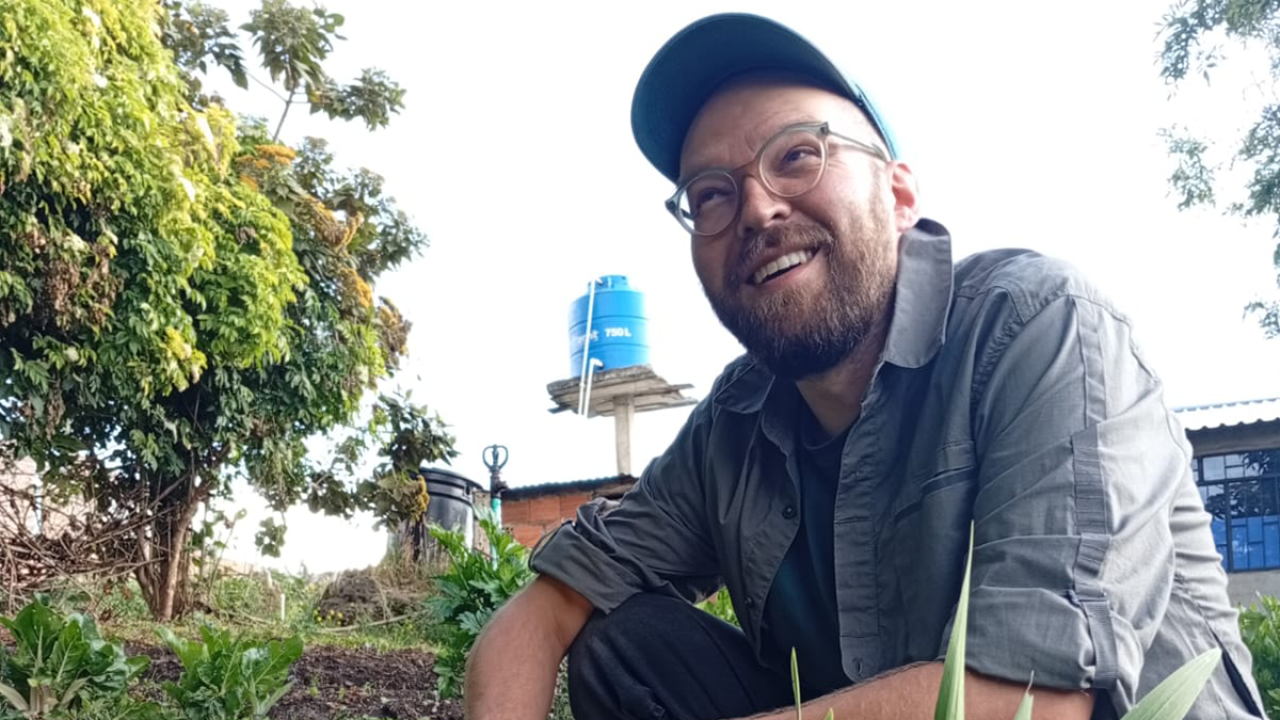
Across the Living Lakes Network, science, innovation, and collaboration are helping shape new approaches to freshwater conservation. In Colombia, Fundación Humedales is working to strengthen the protection of high-Andean wetlands by combining cutting-edge research with participatory monitoring and community engagement.
In this edition of Expert Voices, Eugenio Valderrama reflects on his journey from growing up near Lake Fúquene to becoming an evolutionary biologist dedicated to understanding and conserving Neotropical biodiversity. Drawing on his experience within the Living Lakes Biodiversity & Climate Project (LLBCP), he shares his perspectives on the governance challenges facing freshwater ecosystems, the potential of citizen science and DNA-based monitoring, and the importance of international cooperation in building more resilient futures for lakes, wetlands, and the communities that depend on them.
Q. Can you tell us about your professional journey and how you became involved in the protection of lakes and wetlands?
I grew up visiting Lake Fúquene, one of the few plateau lakes in the Northern Andes. Fascinated from an early age by nature and Colombia’s extraordinary diversity of ecosystems, I pursued a career as an evolutionary biologist and researcher. I am interested in documenting, understanding, conserving, and promoting the sustainable use of Neotropical biodiversity, with a particular emphasis on plants and mountain lakes.
My work integrates genomics, bioinformatics, botany, bioeconomy, and participatory approaches to address biodiversity loss and climate change, particularly in Neotropical monocotyledons and high-altitude Andean lakes.
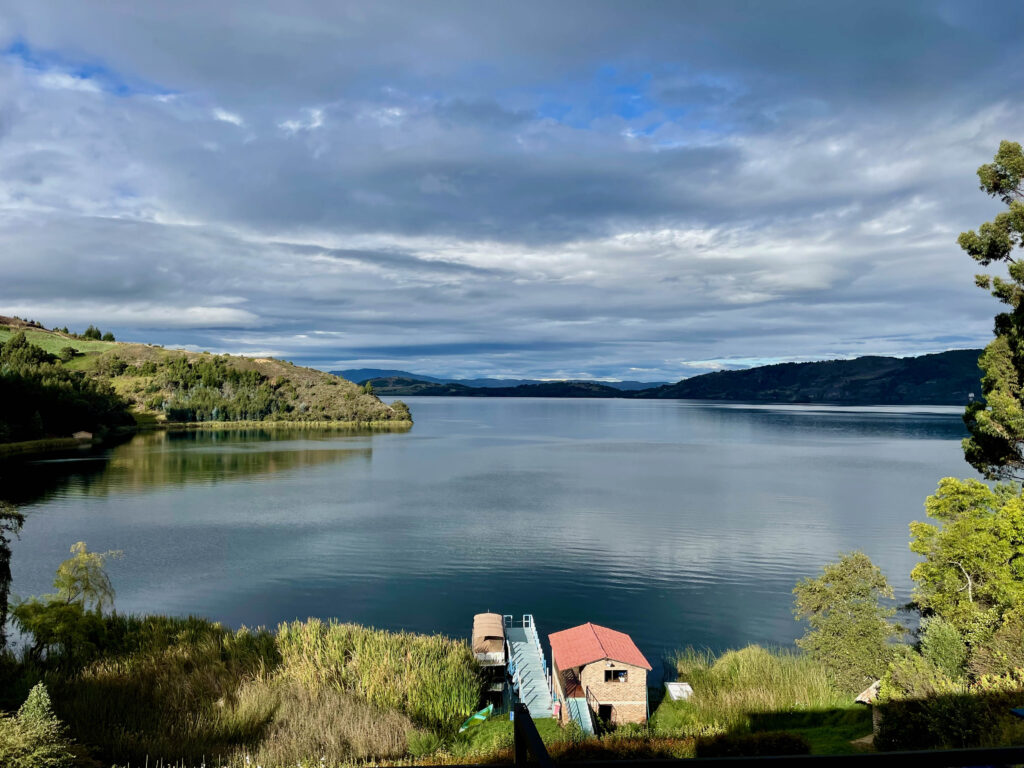
Tota, the plateau lake of the Northern Andes with the largest surface area.
Q. In your opinion, what is the most urgent environmental issue affecting freshwater ecosystems today, and why?
Governance for climate change adaptation and mitigation is our most urgent challenge. Our wetlands require an integrated, watershed-scale approach to ensure effective wastewater treatment, ecological connectivity, sustainable agriculture and livestock production, and ecosystem resilience through the enhancement and protection of biodiversity.
Meeting these urgent needs requires the coordinated efforts of authorities, local communities, and the private sector, guided by a deep understanding of the social and ecological structure of our freshwater ecosystems.
Q. What innovative solutions are you currently applying or exploring in your work?
I am currently developing with Fundación Humedales team, a citizen science program to monitor the ecological trajectory of Tota and Fúquene Lakes through the measurement of simple indicators of the state of the ecosystem with school students. With platforms like SMART, the students will generate this valuable data and record it with their mobile phones.
The results will be analyzed, and reports generated and shared promptly, so that local communities can evidence the trajectory of their lakes over time and the relevance of their efforts to survey them. With this program we will strengthen citizen oversight and currently absent evidence for decision makers to improve management.
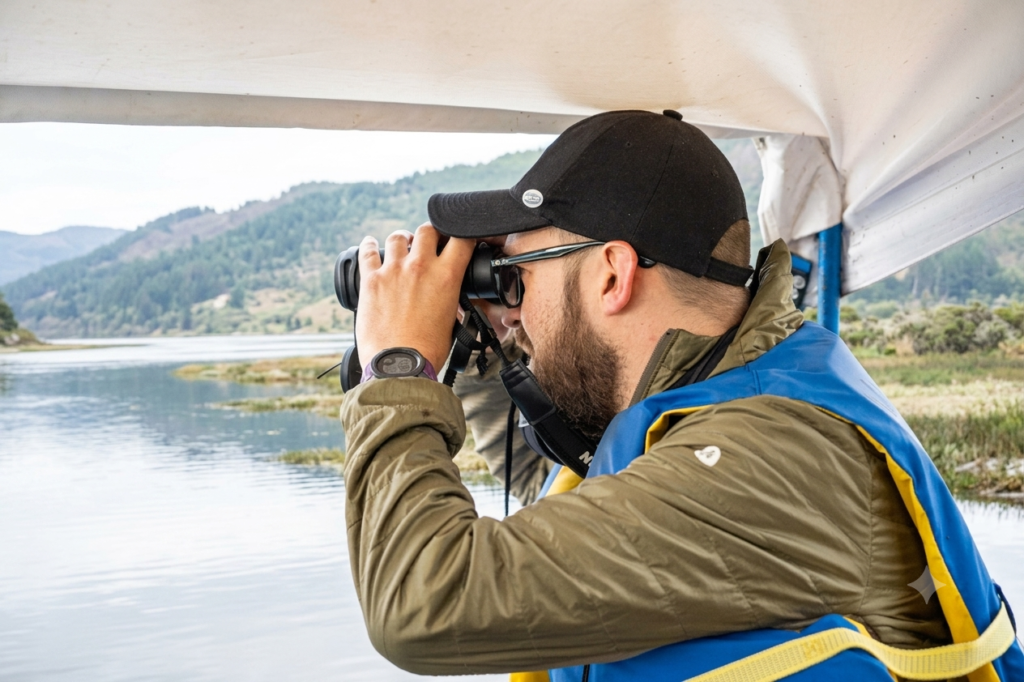
Citizen science has been instrumental in surveying avian diversity in Fúquene and Tota Lakes and fostering biodiversity stewardship.
I want to apply DNA based methods to survey aquatic biodiversity in general, invasive species and rare and endangered species in our lakes, approaches we have seldomly applied to the protection and monitoring of our wetlands in Colombia.
Q. How does international collaboration support and strengthen your conservation efforts?
International networks such as Living Lakes enable us to exchange ideas, mobilize resources, and amplify our impact in protecting freshwater ecosystems and the communities that depend on them, thereby strengthening their capacity to adapt to climate change. Notable examples include the Living Lakes Biodiversity and Climate Project or the Declaration on the urgent preservation of high mountain wetlands in Latin America and other regions of the world during the IUCN World Conservation Congress (Abu Dhabi 2025, Motion 024).
Similarly, international citizen-science initiatives for bird monitoring, such as the Neotropical Waterbird Census and the Global Big Day, have been highly engaging for our local communities. These initiatives generate valuable evidence on the ecological trajectories of our wetlands while fostering awareness, stewardship, and a stronger sense of ownership of local biodiversity.
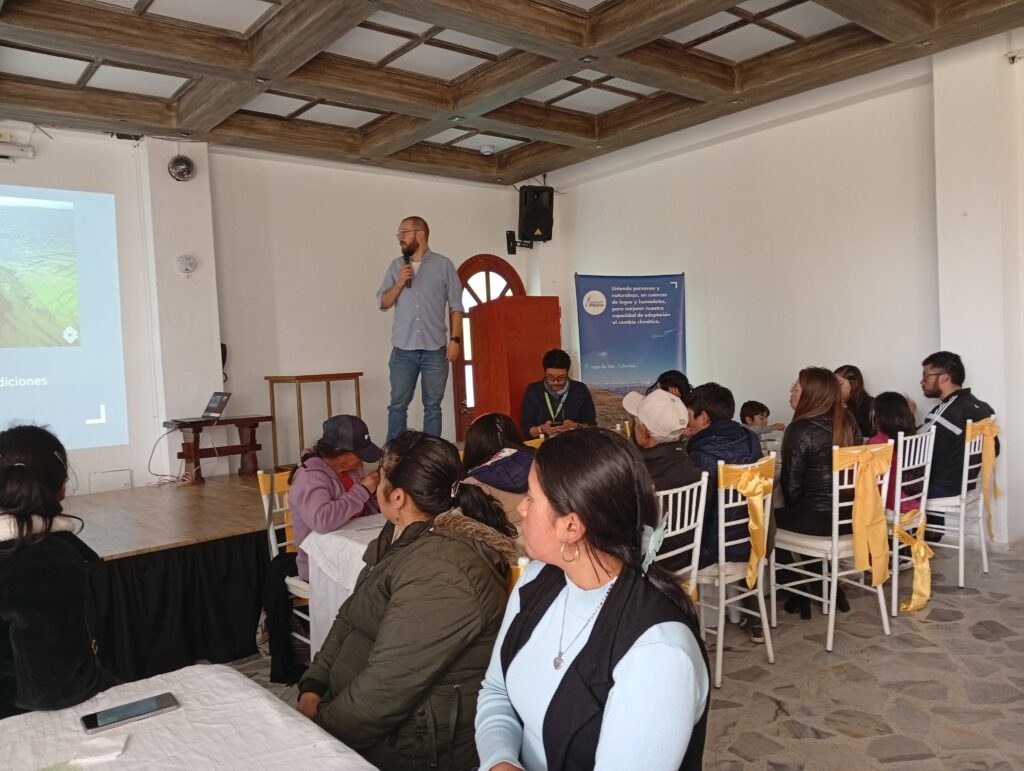
Capacity-building activities of the Living Lakes Biodiversity and Climate Project, conducted in collaboration with the Ministry of Environment and Sustainable Development, focused on the Ramsar Convention and the ongoing nomination of Lake Tota as a Ramsar Site.
Q. What advice would you give to young professionals who want to dedicate themselves to protecting lakes and wetlands?
I believe that young Lakers have an outstanding opportunity to use their skills to share information and build networks that improve governance within their lakes and strengthen international collaborations dedicated to protecting freshwater ecosystems.
A strong understanding of ecosystem ecology, combined with the ability to facilitate participatory processes and engage stakeholders, would be a strategic asset for young professionals working to conserve lakes and wetlands.
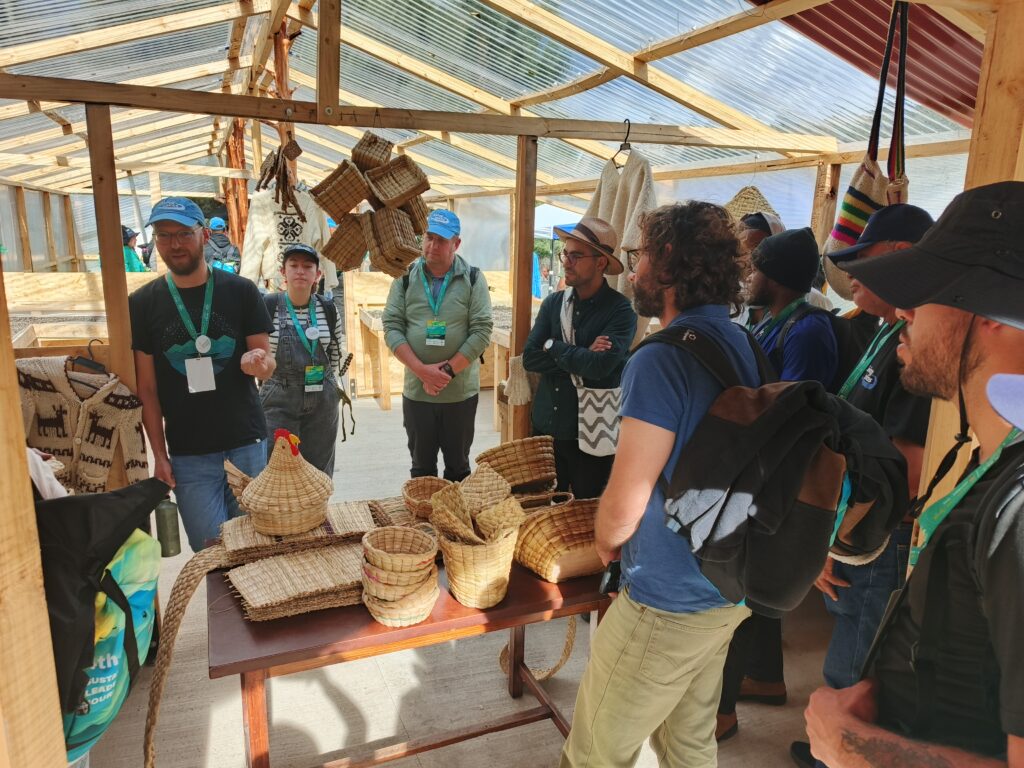
Showcasing traditional handicrafts made from rushes (primarily Schoenoplectus californicus) at Lake Fúquene during the 4th Sustainable Leadership Journey Colombia (2025), attended by implementing partners of the Living Lakes Biodiversity and Climate Project from around the world and their young leaders.
Join the global community for lakes
Sign up to receive our newsletter!
Thank you! Please check your inbox to complete your subscription
You are not suscribed yet - please check the confirmation email we just sent you. Thank you!
THIS WEBSITE USES COOKIES. We use cookies to store non-personal information necessary for the operation of the website. If you continue browsing the site, you accept the use of cookies on this website.