Within the Living Lakes Network, local expertise plays a key role in advancing the conservation of freshwater ecosystems. In Colombia, Fundación Humedales is contributing to this effort through research and community-based initiatives in high-Andean wetlands. In this interview, Daniel Mesa, a biologist involved in the Living Lakes Biodiversity & Climate Project (LLBCP), shares his work monitoring the critically endangered Apolinar’s Wren and offers insights into the challenges and opportunities for protecting Lake Tota and Lake Fúquene.
Q: A brief introduction and what is your relation to Lake Tota and Lake Fúquene and Fundación Humedales?
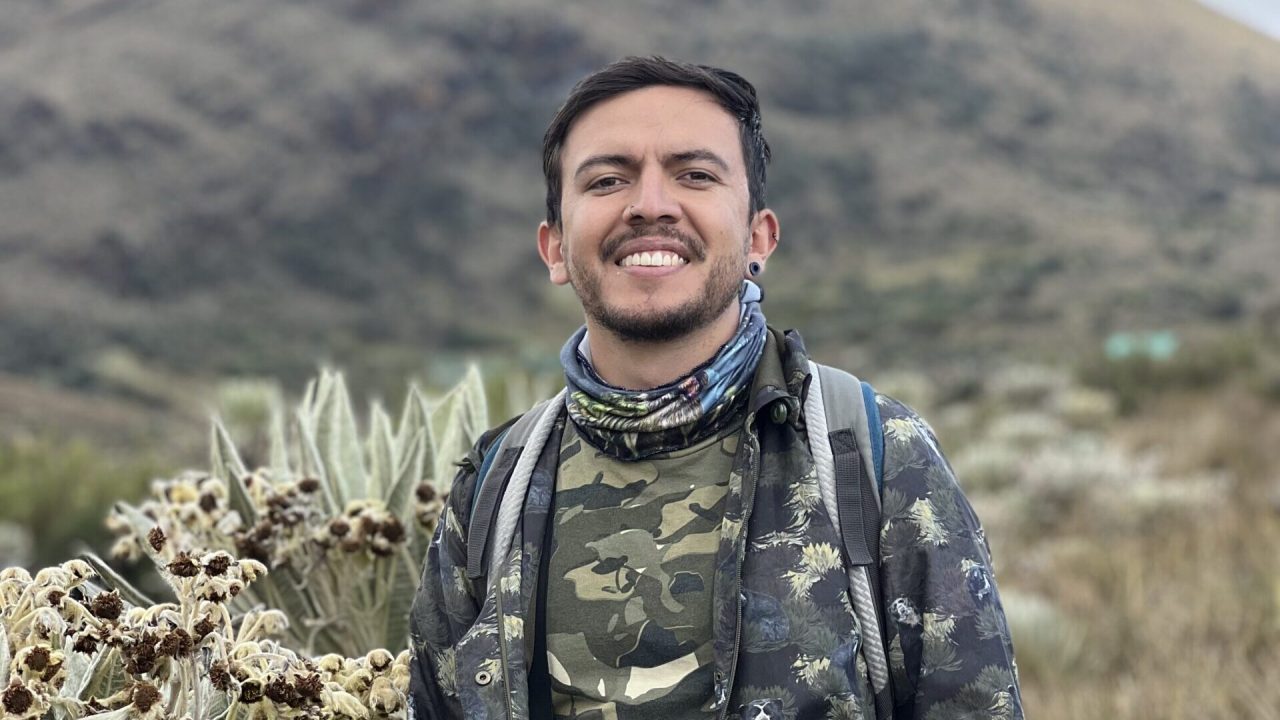
My name is Daniel Mesa. I’m a biologist from Sogamoso, Boyacá (Colombia), and my family is originally from Aquitania, a town located near Lake Tota. I started a traineeship with Fundación Humedales in December 2024 within the framework of the Living Lakes Biodiversity & Climate Project (LLBCP), where I lead the census of the Apolinar’s Wren in Lake Tota and Lake Fúquene.
The census is a very important conservation tool because this species is currently classified as Critically Endangered and is an endemic bird that inhabits marshes in high-Andean wetlands and páramo ecosystems of the Eastern Cordillera of the Colombian Andes—ecosystems that are highly threatened by agricultural expansion and wetland drainage.
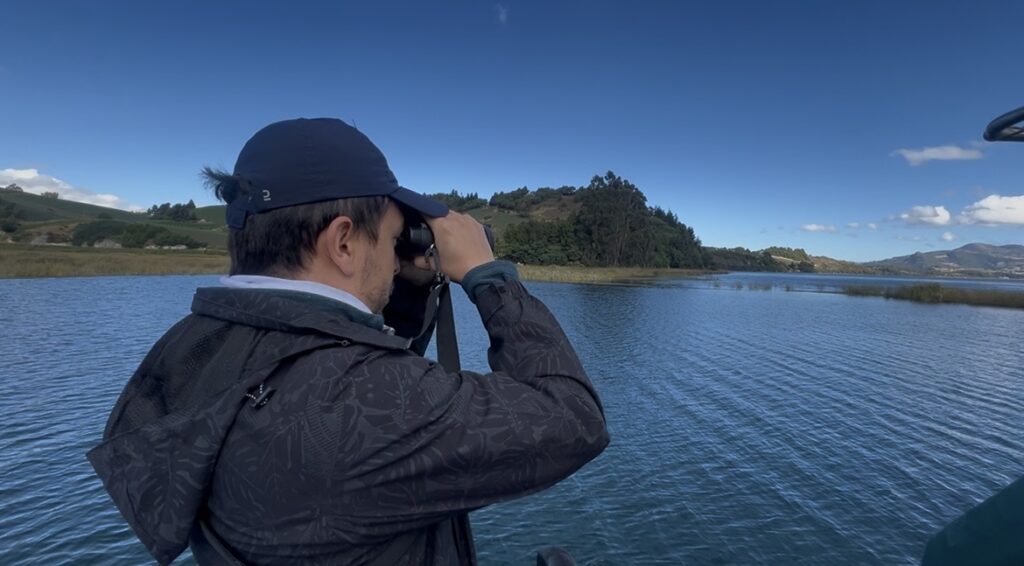
This activity was inspired by the idea of replicating the study by Roselli et al. (2020), in which the authors conducted a census of avifauna associated with Lake Fúquene, but with a specific focus on endangered and endemic species. Based on this, our aim is to monitor the population status of the Apolinar’s Wren over time and generate consistent data to support its conservation.
With the support of local environmental authorities and community-based researchers, we have so far conducted two censuses at both Lake Fúquene and Lake Tota, and we hope to continue carrying out annual bird monitoring. While the censuses have shown relatively stable numbers for this endangered species, they have also revealed concerning trends, including marsh deforestation and the spread of invasive aquatic plants, highlighting the urgency of strengthening conservation efforts.
: Why do you think Lake Tota needs to be protected/restored?
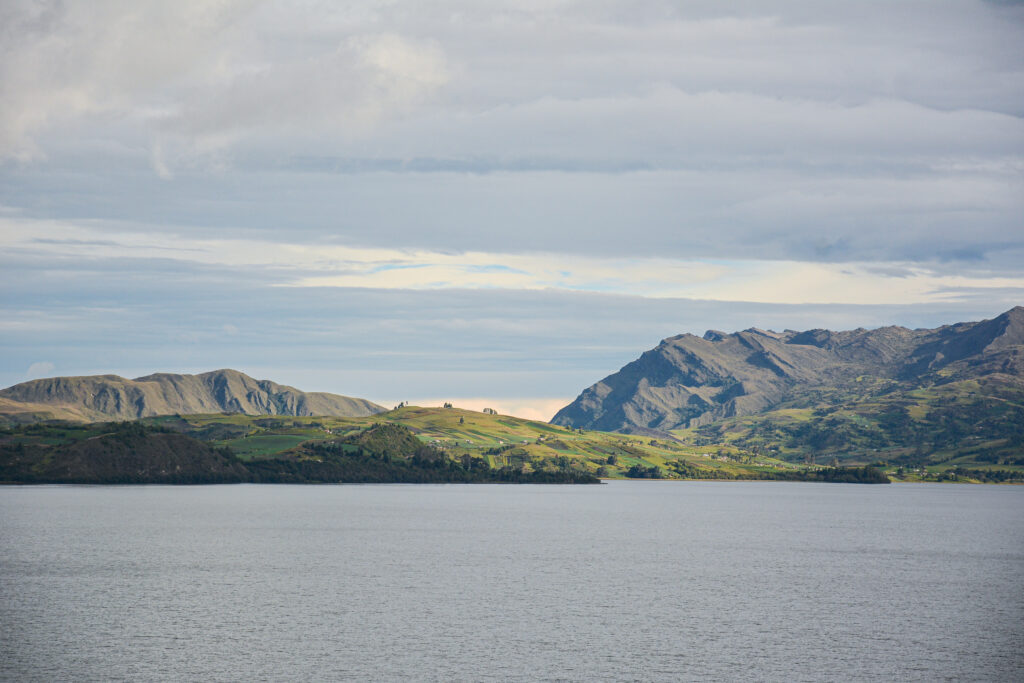
Lake Tota is the largest lake in Colombia and is recognized as an Important Bird Area (IBA). It is home to several endemic species and supports a significant number of migratory birds. From a social perspective, the lake provides water resources for seven municipalities, and its basin hosts the largest production of scallion in the country, which is the main source of income for local communities.
Beyond being a strategic ecosystem and a hotspot for avifauna, Lake Tota is a vital water source that sustains multiple economic activities and livelihoods. Protecting and restoring this wetland is essential not only for biodiversity conservation but also for maintaining the well-being and resilience of the communities that depend on it. It is also crucial to ensure that we do not once again become the setting for the extinction of a vertebrate species—such as the Apolinar’s Wren could become—something that has already occurred with species like the Andean Grebe and the endemic Fat Catfish, “pez graso” of Tota.
Q: What future do you imagine for Lake Tota?
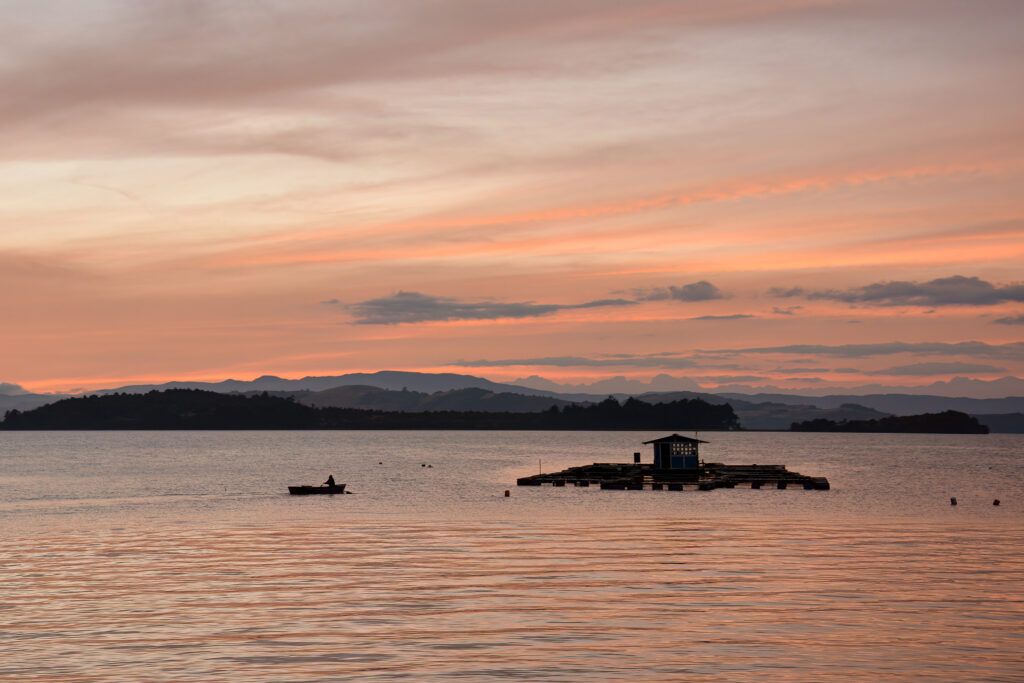
I imagine a future where Lake Tota is recognized not only for scallion production and beautiful landscapes, but also as a successful example of cooperation between nature conservation and sustainable agriculture. In this vision, agriculture and conservation work hand in hand through nature-based solutions that promote sustainable and healthy scallion production, while protecting marsh vegetation and bird communities. This includes the use of wildlife-friendly pesticides and practices that prevent eutrophication, thereby reducing the proliferation of invasive aquatic plants.
I also see a plan for marshes restoration and effective protection, allowing populations of species such as the Apolinar’s Wren to remain stable or even recover. At the same time, I would like to coordinate the development of a “green label” or certification for agricultural products that contribute to the conservation of the lake and its birdlife, adding value to local production while creating real incentives for sustainable practices.
A fundamental part of this is the strengthening of local community involvement. Conservation cannot succeed without the people who live in the territory. Local communities are the ones who lead monitoring processes, carrying out regular observations, and promoting environmental education among others—especially younger generations—about the importance of protecting strategic and threatened ecosystems such as Lake Tota.