

As part of the international Living Lakes Network, the Fisheries Action Coalition Team (FACT) is one of the key local partners working to protect and restore freshwater ecosystems through community-based conservation. FACT represents Cambodia within the Living Lakes Network and plays a central role in safeguarding the ecological integrity of Tonle Sap Lake—Southeast Asia’s largest freshwater lake and one of the world’s most productive inland fisheries. Through the Living Lakes Biodiversity and Climate Project, FACT contributes to strengthening wetland conservation, promoting sustainable livelihoods, and empowering local communities to become active stewards of their freshwater ecosystems.
Sartey Leng is a dedicated environmental practitioner working with the Fisheries Action Coalition Team (FACT) in Cambodia. With a strong focus on community engagement and sustainable resource management, her work centers on supporting local fisheries, empowering communities around Tonle Sap Lake, and promoting long-term conservation solutions that balance ecological integrity with local livelihoods.
Q. Can you tell us about your professional journey and how you became involved in the protection of lakes and wetlands?
My journey into lake and wetland conservation developed through both my academic background and professional experience working with the Fisheries Action Coalition Team (FACT) in Cambodia. During my studies, I became increasingly interested in how sustainable development and community engagement can contribute to protecting natural resources that many people depend on for their livelihoods. This motivated me to apply my knowledge to support community development and environmental protection.
At FACT, I work closely with communities around Tonle Sap Lake, supporting initiatives that strengthen community fisheries management, wetland conservation, and sustainable livelihoods. My role involves coordinating with community fisheries groups, engaging with local authorities, and supporting activities that help protect the lake’s natural resources while building local capacity.
Tonle Sap is one of Cambodia’s most important freshwater ecosystems and supports the livelihoods of millions of people. Working directly with communities has shown me how closely ecosystems and livelihoods are interconnected. I am also passionate about encouraging young people to become more involved in protecting lakes and wetlands, as youth engagement will be essential for sustaining these ecosystems in the future.
Q. In your opinion, what is the most urgent environmental issue affecting freshwater ecosystems today, and why?
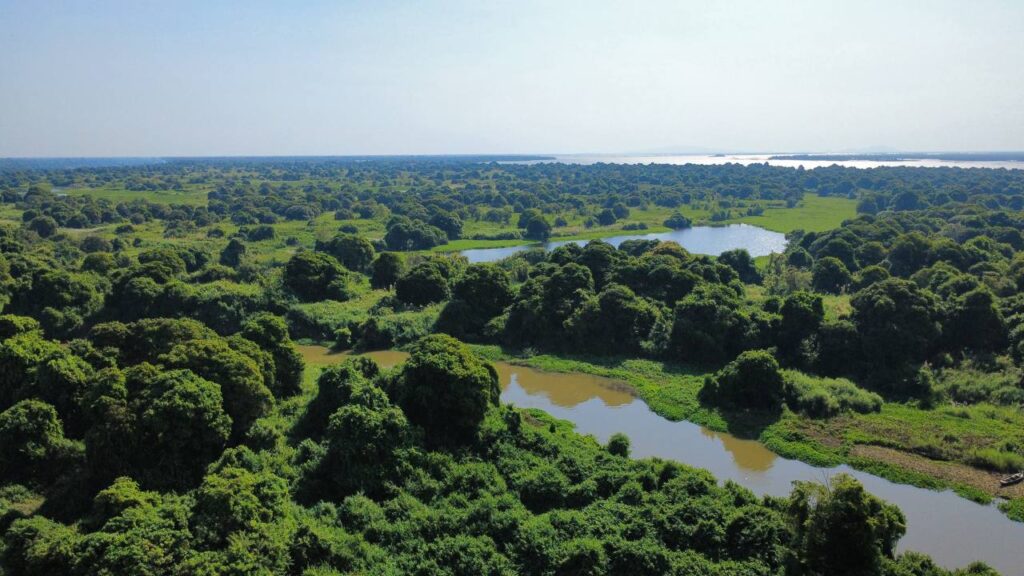
One of the most urgent environmental challenges affecting freshwater ecosystems today is the increasing pressure from human activities combined with environmental change. In ecosystems such as Tonle Sap Lake in Cambodia, population growth and rising demand for natural resources have placed significant pressure on fisheries and wetland habitats.
Many communities living around the lake depend heavily on fisheries for their livelihoods and food security. As demand increases, maintaining sustainable resource use becomes more challenging. At the same time, some settlements and agricultural activities are expanding into wetland and conservation areas. In certain cases, farming practices that rely on chemical inputs can contribute to water pollution and negatively affect biodiversity and fish habitats.
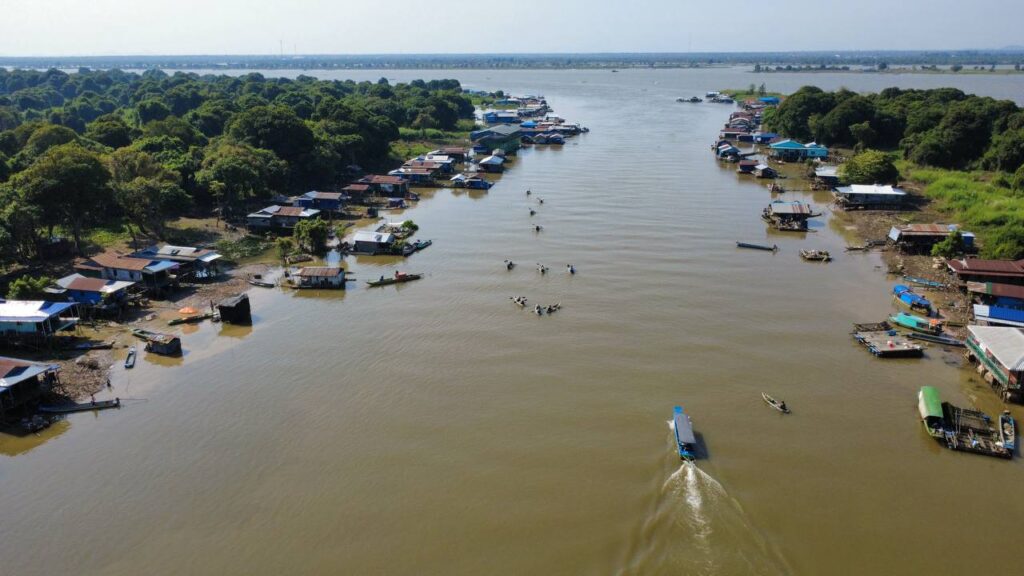
These pressures can gradually undermine the health of freshwater ecosystems, which are essential not only for biodiversity but also for the communities that depend on them. Protecting wetlands, conserving flooded forests, and promoting sustainable resource management are therefore critical steps toward maintaining the ecological balance of these ecosystems.
Addressing these challenges requires cooperation among communities, local authorities, and conservation organizations to ensure that freshwater ecosystems like Tonle Sap can continue supporting both biodiversity and livelihoods for future generations.
Q. What innovative solutions are you currently applying or exploring in your work?
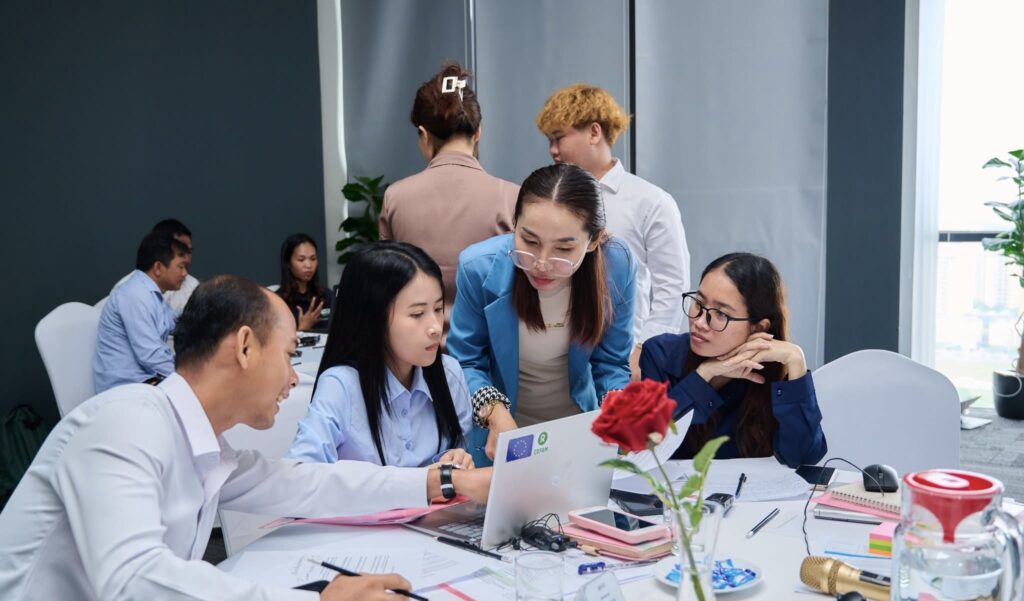
In my work around Tonle Sap Lake, we focus on strengthening community-based solutions that combine conservation, local governance, and sustainable livelihoods. One important approach is promoting inclusive participation by supporting women and youth to become lake managers and young lake managers. They actively participate in community planning and decision-making processes and receive capacity-building training to strengthen their leadership and conservation knowledge.
Q. What innovative solutions are you currently applying or exploring in your work?
Strengthening community governance is also essential for protecting freshwater ecosystems. We work closely with local authorities and relevant institutions to reinforce conservation activities and improve the implementation of laws and regulations related to fisheries and wetland protection. In collaboration with the Ministry of Interior, efforts are also being made to allocate commune-level budgets to support the protection and sustainable management of natural and fisheries resources.
Another key approach is building partnerships with the private sector to support sustainable community development. Through collaboration with partners such as Aqua Mekong, we are exploring ways to strengthen local initiatives while promoting responsible environmental practices.
At the same time, we encourage livelihood diversification to reduce pressure on fisheries resources. Community-based ecotourism, handicraft production, and food processing activities can provide additional income opportunities for local households. These initiatives not only support economic resilience but also contribute to climate adaptation by helping communities develop more sustainable and diversified livelihoods.
Q. How does international collaboration support and strengthen your conservation efforts?
International collaboration plays an important role in strengthening freshwater conservation efforts, especially for ecosystems facing complex environmental and social challenges. Through global platforms such as the Living Lakes Network, organizations working to protect lakes and wetlands can exchange knowledge, share experiences, and learn from conservation approaches implemented in different regions.
For organizations like FACT, international partnerships provide valuable opportunities to learn from other communities facing similar challenges in managing freshwater ecosystems. These exchanges help improve conservation strategies, strengthen community-based management approaches, and introduce new ideas that can be adapted to local contexts.
International collaboration also helps raise awareness about the ecological importance of freshwater ecosystems such as Tonle Sap Lake. By connecting local conservation efforts with global networks, we can bring greater attention to the need for protecting lakes and wetlands while mobilizing knowledge, partnerships, and support.
Working together across countries strengthens our collective ability to address environmental challenges and ensures that conservation efforts benefit from shared learning and cooperation.
Q. What advice would you give to young professionals who want to dedicate themselves to protecting lakes and wetlands?
My advice to young professionals interested in protecting lakes and wetlands is to stay curious, remain committed, and take the time to learn from both nature and the communities who depend on these ecosystems.
Freshwater ecosystems are closely connected to people’s livelihoods, cultures, and traditions. Understanding these relationships is essential for developing conservation solutions that are both effective and sustainable. Spending time in the field, listening to communities, and learning from local experiences can provide valuable insights that cannot always be found in academic studies alone.
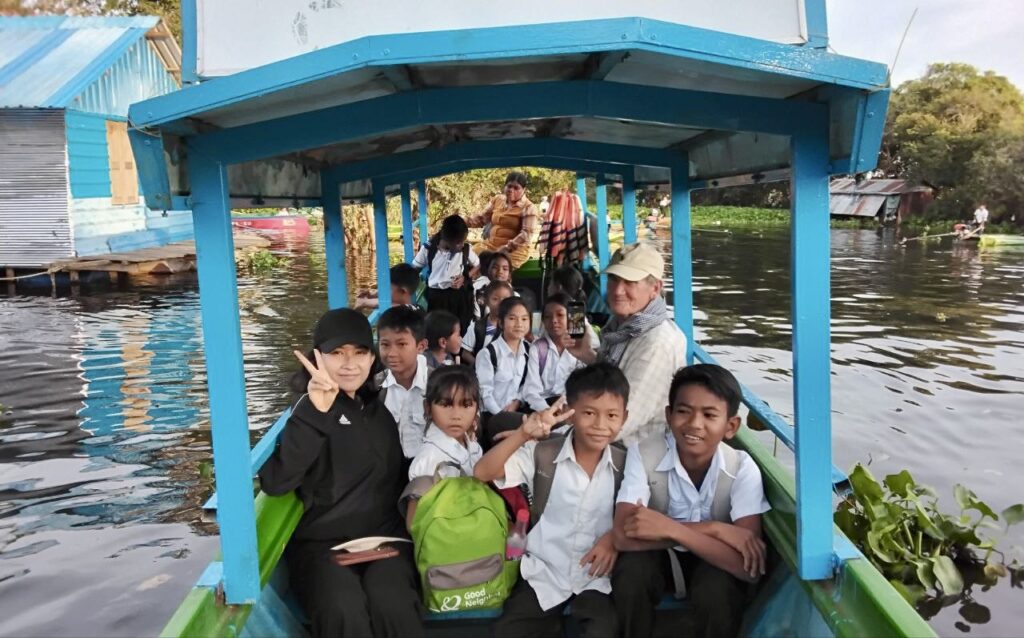
It is also important to remain open to collaboration and continuous learning. Protecting freshwater ecosystems requires cooperation among communities, governments, researchers, and conservation organizations at both local and international levels.
Most importantly, young professionals should believe that their contributions matter. Even small actions and local initiatives can play an important role in protecting lakes and wetlands and ensuring that these ecosystems continue to support communities and biodiversity in the future.