
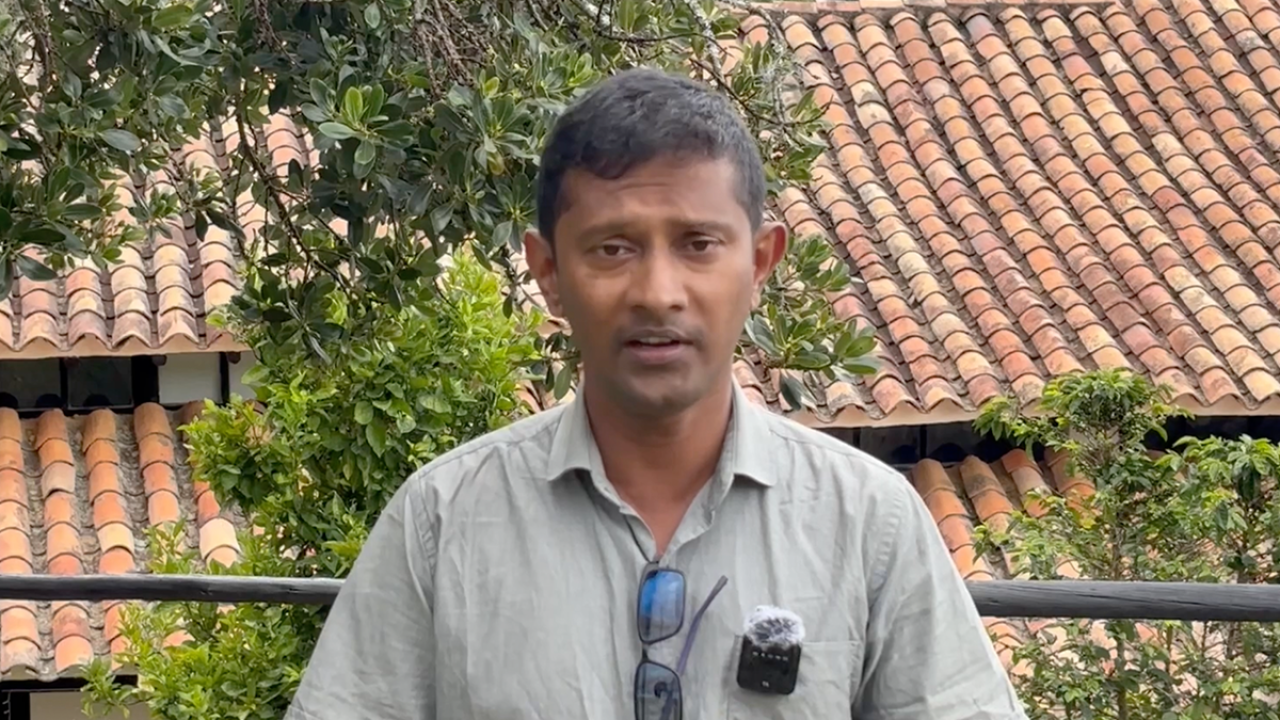
At Nagenahiru Foundation, community-led action at Lake Madampa in Ambalangoda (southern Sri Lanka) is demonstrating how eco-tourism can simultaneously support mangrove restoration and local livelihoods.
In a this video, Sajeewa Emmanuel explains how this approach is turning conservation into a shared responsibility and an opportunity for surrounding communities.
Eco-tourism as a driver of restoration and livelihoods
The initiative develops eco-tourism activities linked to the lake’s mangrove ecosystem. Local communities are actively involved in protecting and restoring mangroves while generating income through tourism-related services.
By connecting conservation with livelihoods, the model creates strong incentives for long-term ecosystem stewardship, ensuring that environmental recovery and economic benefits progress together.
At the same time, tourism is being redefined from a potential pressure on ecosystems into a tool for restoration—supporting awareness-raising and channeling resources into mangrove recovery.
Community ownership and ecosystem resilience
A key aspect of the initiative is ensuring that conservation directly benefits the communities that depend on these ecosystems. Local participation in both restoration and tourism strengthens ownership and long-term engagement.
The recovery of mangrove forests around Madampa Lake is contributing to improved biodiversity, coastal protection, and ecosystem functioning. These ecosystems also provide essential services such as climate regulation and protection against coastal erosion, while supporting more resilient local livelihoods.
A model for inclusive wetland conservation
At a time when mangroves and wetlands are facing increasing pressure around the world, the Lake Madampa initiative focuses on combining conservation, sustainable tourism, and community development.
This initiative is part of the Living Lakes Biodiversity and Climate Project, which promotes innovative solutions and knowledge exchange to protect lakes and wetlands worldwide, funded by BMUKN through IKI and supported by German Postcode Lottery, Kärcher, Lonza, Ground Lake, Georg Fischer Foundation, and many individual donors.