
In the catchment of the iSimangaliso Wetland Park and the broader Lake St Lucia system, community-led restoration efforts are demonstrating how nature-based agriculture can contribute directly to wetland resilience and ecosystem recovery.
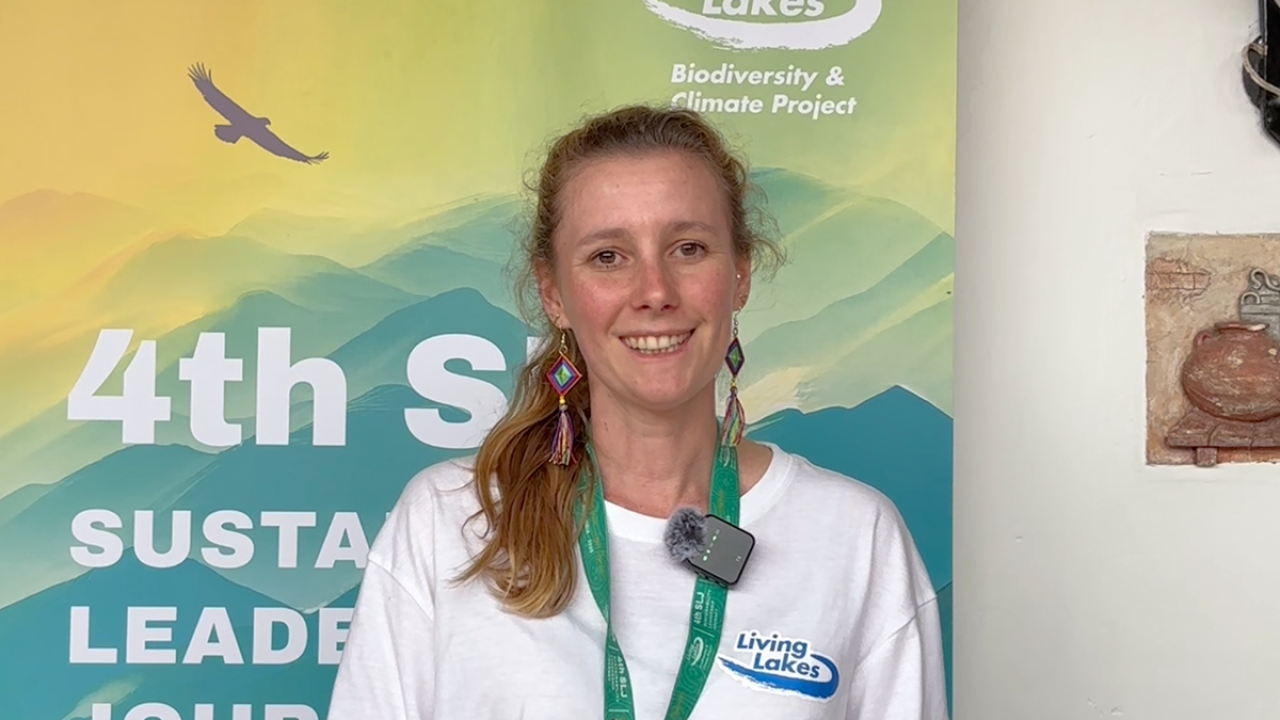
A recent video from WILDTRUST highlights insights shared by Sam Smith on work taking place in the Mkuze River floodplains, where local farming communities are actively involved in restoring degraded landscapes.
Regenerative agriculture supporting ecosystem recovery
The frontrunner initiative focuses on restoring ecosystem functions through practical, low-cost regenerative agriculture techniques. Farmers are applying methods such as agroforestry and companion planting, which help improve soil health, increase vegetation cover, and support more sustainable land use.
These approaches not only contribute to ecological restoration but also provide direct benefits for local livelihoods, improving productivity and reducing input costs.
Accessible solutions with scalable impact
A key strength of this approach lies in its simplicity and accessibility. The practices being introduced do not require significant financial investment, making them suitable for widespread adoption across farming communities in the region.
At the same time, their cumulative impact is significant, contributing to improved landscape stability and reduced pressure on surrounding natural resources.
Linking farming practices, ecosystems, and wetland resilience
By improving land management in floodplain areas, these interventions directly influence the health of surrounding ecosystems. Reduced soil erosion and better vegetation cover help limit sediment and nutrient runoff into waterways, contributing to improved water quality and ecological balance across the catchment.
In turn, this strengthens the resilience of Lake St Lucia and its connected wetlands, enhancing their ability to withstand climate and environmental pressures. The approach demonstrates how working with farming communities at landscape level can generate positive impacts that extend far beyond individual farms.
A landscape approach to restoration
At a time when wetlands globally are under increasing pressure from climate change, land degradation, and biodiversity loss, this initiative illustrates how restoration can start locally.
By combining farmer knowledge, practical tools, and nature-based agriculture, the project shows how ecosystem recovery and livelihood improvement can go hand in hand—delivering benefits at scale across the landscape.
This initiative is part of the Living Lakes Biodiversity and Climate Project, which promotes innovative solutions and knowledge exchange to protect lakes and wetlands worldwide, funded by BMUKN through IKI and supported by German Postcode Lottery, Kärcher, Lonza, Ground Lake, Georg Fischer Foundation, and many individual donors.