
At Lake Chapala, Mexico’s largest freshwater lake, agricultural activity is both a major pressure on the ecosystem and a key part of the solution for its long-term recovery.
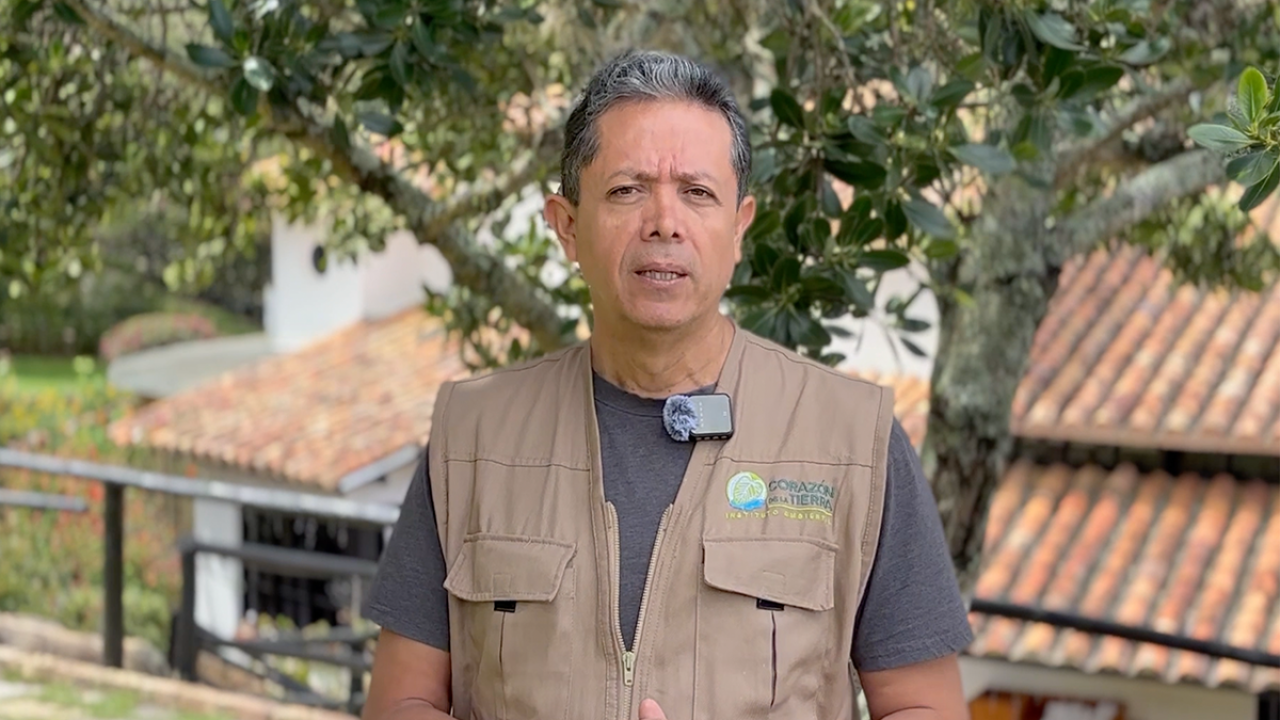
A new initiative led by Instituto Corazón de la Tierra highlights how collaboration with farmers and ranchers is helping to reduce pollution, improve water quality, and strengthen local livelihoods across the basin. In a recent video, Alejandro Juárez Aguilar, from the organisation, explains how this transition is taking shape on the ground.
Transforming agricultural practices for cleaner water, better health and stronger incomes
One of the main pillars of the project is the reduction of agrochemical use, including pesticides and chemical fertilisers. This change is helping to improve the quality of water reaching the lake, while also reducing farmers’ exposure to harmful substances.
At the same time, the shift towards more sustainable practices is generating direct socio-economic benefits. Farmers are reporting lower production costs and improved incomes as they adopt more efficient and environmentally friendly methods, showing that environmental recovery and economic viability can go hand in hand.
Building resilience to climate change while restoring ecosystem balance
Beyond immediate improvements in water quality and livelihoods, the initiative is also strengthening long-term climate resilience. By reducing dependence on external inputs and adapting production systems to more variable rainfall patterns, farming communities are becoming better equipped to face droughts and other climate-related challenges.
These changes also have a direct impact on the lake’s ecosystems. Reducing nutrient runoff helps limit the spread of water hyacinth and harmful cyanobacteria blooms—both of which represent major threats to biodiversity and water quality in Lake Chapala.
Scaling impact towards a basin-wide transformation
The ultimate goal of the initiative is to expand these successful practices across the entire lake basin, turning local experience into a replicable model for sustainable agricultural transformation.
As Alejandro Juárez Aguilar from Instituto Corazón de la Tierra explains, this approach demonstrates that cleaner water, stronger rural economies, and healthier ecosystems are not competing goals, but interconnected outcomes that can be achieved together.
This initiative is part of the Living Lakes Biodiversity and Climate Project, which promotes innovative solutions and knowledge exchange to protect lakes and wetlands worldwide, funded by BMUKN through IKI and supported by German Postcode Lottery, Kärcher, Lonza, Ground Lake, Georg Fischer Foundation, and many individual donors.