
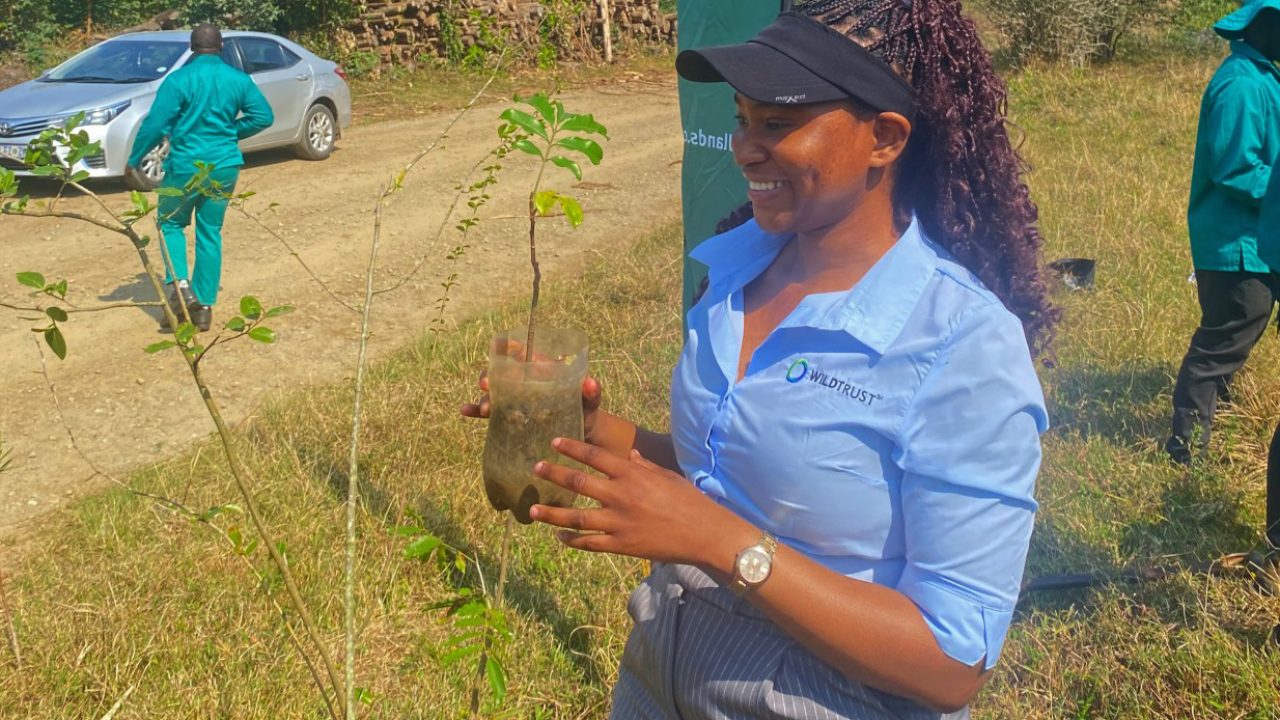
As part of the international Living Lakes Network, WILDTRUST is leading conservation efforts in South Africa to protect and restore freshwater ecosystems through community-based and climate-resilient approaches. In this interview, Sanelisiwe Xulu, Climate Change Scientist at WILDTRUST, shares her experience working around Lake Sibaya—South Africa’s largest natural freshwater lake—and reflects on how local communities, youth leadership, and environmental education are helping shape a more sustainable future for freshwater ecosystems through the Living Lakes Biodiversity and Climate Project.
Q. How do you understand the importance of lakes and wetlands in the context of climate change and biodiversity?
As a young person passionate about climate change, biodiversity conservation, and sustainability, lakes and wetlands are far more than just bodies of water—they are living, breathing systems that embody identity, tradition, and survival for many people. They hold stories, sustain livelihoods, and connect people to nature in deeply meaningful ways.
My work with communities around Lake Sibaya in northern KwaZulu-Natal has opened my eyes to the powerful relationship between people, water, and the environment. Through my involvement in the Living Lakes Biodiversity and Climate Project (LLBCP), I see lakes not only as ecological infrastructure, but as vibrant spaces where science, culture, and community life intersect.
Q. Why is Lake Sibaya important for local communities and conservation work?
Lake Sibaya, the largest freshwater lake in South Africa, is a powerful example of this connection. For surrounding communities, it is a lifeline providing water, supporting small-scale agriculture, and sustaining biodiversity but beyond that, it represents heritage, dignity, and resilience. Working alongside these communities has taught me that conservation is not just about ecosystems, but it is about people, their stories, and their futures in this changing environment.
In my role at WILDTRUST as a Climate Change Scientist working under the Living Lakes Biodiversity and Climate Project, I have had the opportunity to engage directly with communities, conducted biodiversity assessments, develop educational materials, and support project implementation.
Q. What kind of work do you do with communities and partners in your role?
I have facilitated and participated in land-use management and sustainable livelihoods workshops with lake managers, creating spaces for dialogue and practical learning. One of the most inspiring parts of my journey has been working with young lake managers with the WILDTRUST through the Living Lakes African Sub-network engagement workshop where we connected and shared knowledge on how to structure the Living Lakes African Sub-Network across African borders.
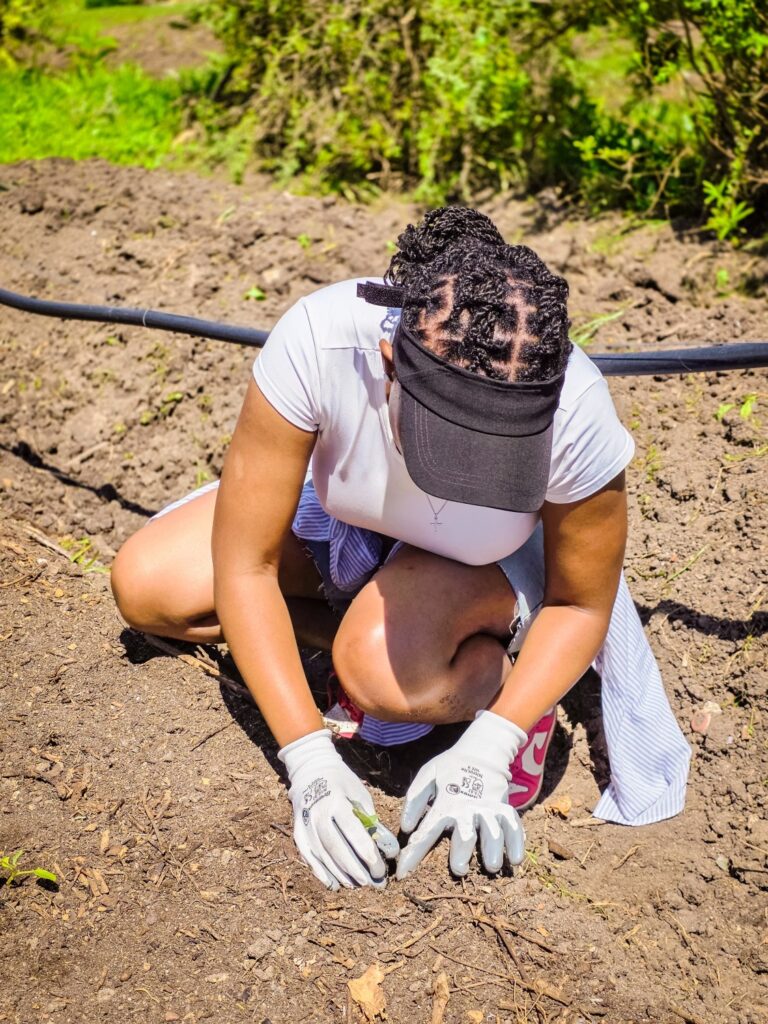
What excites me most is the human connection in this work. I truly value and find joy in working with communities listening to their experiences, learning from their knowledge, and walking alongside them in efforts to conserve lakes and wetlands. My passion for environmental education and citizen science comes alive in these moments because by involving communities in citizen science, we empower them to become active participants in understanding and protecting their natural resources.
I believe education is one of the most powerful tools we have to address environmental challenges and achieve sustainable development.
Q. What do you see as the key lesson from working with the Living Lakes Biodiversity and Climate Project?
Through workshops and ongoing engagement, I have learned that science alone is not enough. Indigenous knowledge systems rich with lived experience and cultural wisdom offer essential insights into sustainable environmental management.
Lakes like Sibaya become spaces of mutual learning, where science and tradition come together to shape meaningful and permanent solutions. Being part of the Living Lakes Biodiversity and Climate Project has broadened my perspective, helping me see how local challenges are connected to global systems.
It has reinforced the understanding that all water systems are interconnected, and that protecting lakes and wetlands plays a vital role in sustaining the health of our oceans and the planet. For me, lakes and wetlands symbolize both hope and responsibility. They remind me why I chose this path to make a meaningful impact through education, science, and community engagement.