
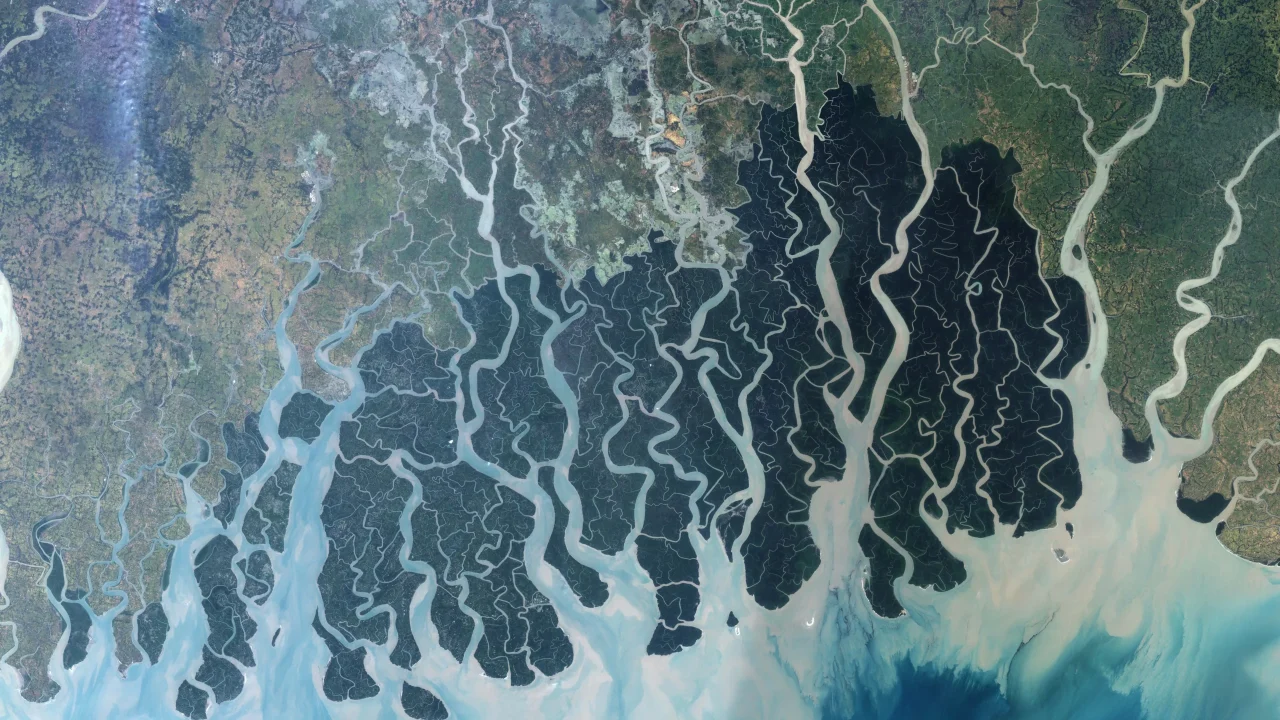
Nearly three decades after the first Living Lakes Conference brought four founding partners together on the shores of Lake St. Lucia, South Africa, in 1998, the network is heading back to Asia for its next chapter.
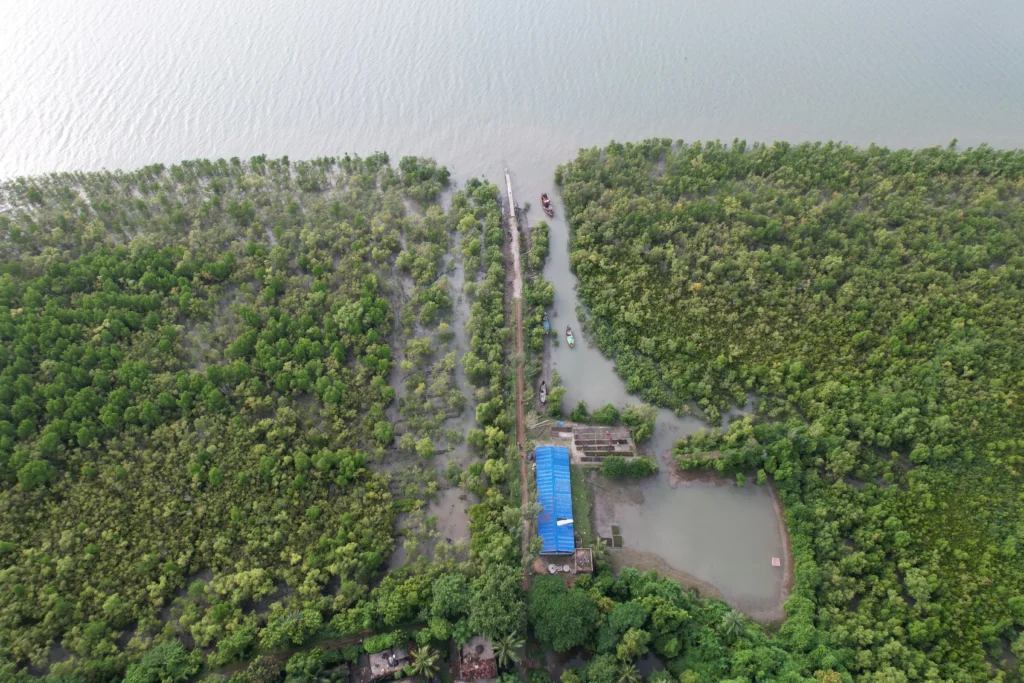
From 1 to 4 December 2026, the 17th International Living Lakes Conference will convene in Kolkata (Rabindra Tirtha, New Town) and the Indian Sundarban, placing one of the planet’s most significant wetland landscapes at the center of global conversations on biodiversity and climate resilience.
A Gathering Two Decades in the Making
The Living Lakes Conference has traveled the world — South Africa, Germany, the USA, Japan, Russia, the UK, Canada, the Philippines, China, Italy, Mexico, Spain, and Peru have all hosted it. What began with four partners has grown into a network of 130+ member organizations across 60+ countries. The most recent edition, the 16th conference, drew over 200 participants from 30 countries to Puno, Peru, for a close look at Lake Titicaca — a lake that would go on to be named Threatened Lake of the Year in 2023, underscoring just how much is at stake at these gatherings.
Why the Sundarban
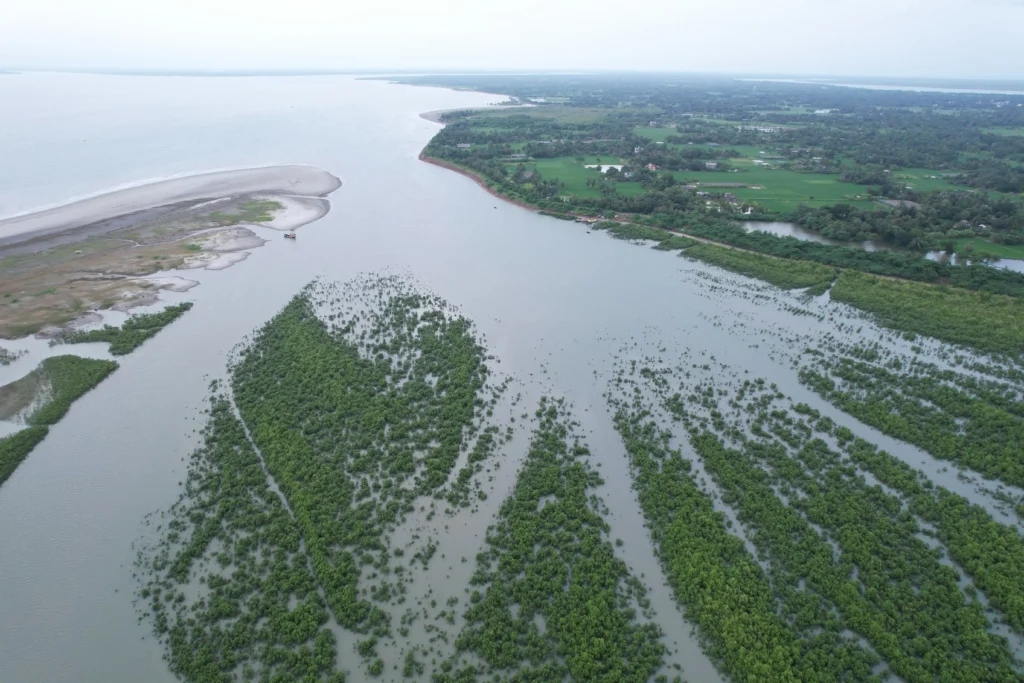
Hosted by Global Nature Fund (GNF) and Nature Environment & Wildlife Society (NEWS), and supported by Germany’s International Climate Initiative (IKI), the 17th conference carries the theme “Resilient Lake and Wetland Landscapes: Scaling up locally driven Innovation for Biodiversity and Climate.” Building on the IKI Living Lakes Biodiversity and Climate Project (LLBCP), the programme positions the Sundarban as a flagship region — a living example of how wetland conservation, climate resilience, and sustainable development connect within international frameworks such as the Ramsar Convention and the CBD.
Four Tracks for Scaling Up Local Innovation
The programme is built around the factors the network sees as decisive for turning local solutions into wider change:
-
Favourable political frameworks — how regional and national governments can support locally driven solutions, what international conventions can offer, and real examples of banning unsustainable practices
-
Capacity building — the Living Lakes Academy, the Sustainable Leadership Journey, the Trainee Programme, citizen science in lake management, and digital tools for wetland monitoring
-
New financing instruments — diversified funding tools, the shift from CSR-as-philanthropy to CSR-as-investment, wetlands as a smart CSR investment, and financing case studies from LLBCP’s Frontrunner and Replication projects
-
Stimulating replication — knowledge exchange and scaling proven conservation approaches
These tracks are backed by keynote-led parallel sessions on Ramsar Network partnerships, translating IUCN motions into action for high-altitude wetlands, lesser-known species conservation, and regenerative livelihood practices.
Learn, Connect, Explore
Across four days, participants will:
-
Learn through plenaries with international experts, youth-centered thematic sessions, and World Café–style discussions
-
Connect through exhibition booths (Days 1–2), the Living Lakes Members Assembly (Day 4), and networking throughout conference breaks and cultural evenings
-
Explore through field visits to the Sundarban (Days 3–4), engagement with local communities and ecosystems, and cultural programming celebrating local heritage
The Living Lakes Conference exists to make sure our best local solutions don't stay local. Bringing the network to the Sundarban means learning directly from one of the most resilient wetland landscapes on the planet – to upscale and replicate successful approaches in wetland management throughout the Living Lakes Network and beyond.
Marcus Waldherr, Living Lakes Project Manager at GNF
Youth and Women at the Center
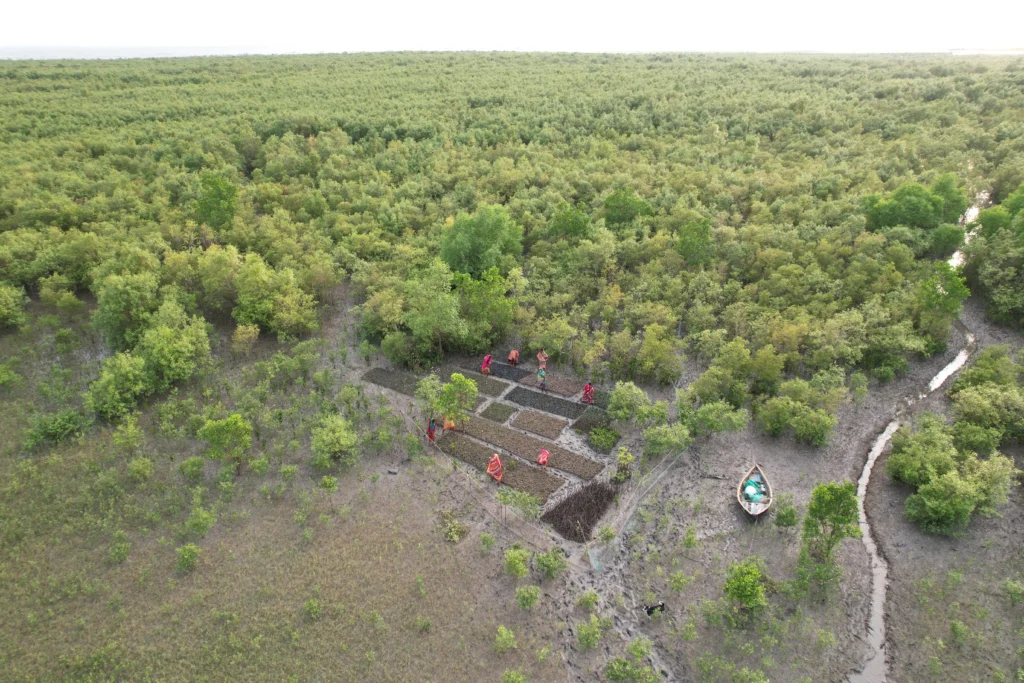
True to the network’s growing emphasis on the next generation, young people will lead sessions and dialogues throughout the conference, under the banner “Together. With youth. Inspiring the future.” Particular attention is paid to youth perspectives across every programme item, alongside a standing commitment to highlighting the role of women in building resilient lake regions through practical, on-the-ground examples.
Who’s Expected
The conference will bring together Living Lakes Network members and partner organizations, public authorities and convention representatives, civil society groups (NGOs, community-based organizations, youth groups), donors and development partners, private sector representatives from water, food, mobility, and finance, and municipalities alongside scientific and technical experts.
Save the Date
Attendance is by invitation only, and registration opens soon. International participants are encouraged to confirm early to allow time for travel and visa arrangements. For collaboration opportunities, contact event.news@team-naturewildlife.org, or reach out directly to Udo Gattenlöhner (Global Nature Fund) or Ajanta Dey (Nature Environment & Wildlife Society).
This initiative is part of the Living Lakes Biodiversity and Climate Project, which promotes innovative solutions and knowledge exchange to protect lakes and wetlands worldwide, funded by BMUKN through IKI and supported by German Postcode Lottery, Kärcher, Lonza, Ground Lake, Georg Fischer Foundation, and many individual donors.